
Stepping off a plane at Edinburgh Airport, travellers often face a critical choice that goes beyond convenience. For frequent flyers and business professionals, prioritising safe transportation is not just a preference but a necessity. With evolving airport taxi safety standards, robust driver vetting and technological advancements, understanding the differences between licensed taxis and private hire vehicles can have a direct impact on passenger protection and peace of mind during your airport transfer.
Table of Contents
- Defining Airport Taxi Safety Standards
- Key Variations: Private Hire Versus Hackney Carriages
- Driver Vetting, Licensing and Ongoing Training
- Vehicle Safety Checks and Hygiene Protocols
- Passenger Rights, Responsibilities and Complaint Procedures
- Emerging UK Regulations for 2026 and Common Pitfalls
Key Takeaways
| Point | Details |
|---|---|
| Airport Taxi Safety Standards | Compliance with safety guidelines, vehicle inspections, and driver qualifications are crucial for passenger protection and operational reliability. |
| Distinctions between Vehicle Types | Understanding the differences between hackney carriages and private hire vehicles is essential for ensuring safe and compliant transportation. |
| Driver Vetting and Training | Comprehensive driver vetting and ongoing training enhance safety, ensuring drivers are well-prepared and professional. |
| Emerging Regulations | Upcoming national licensing standards aim to standardise safety practices across the UK, addressing historical regulatory gaps. |
Defining Airport Taxi Safety Standards
Airport taxi safety standards represent a comprehensive framework of regulations and protocols designed to ensure passenger protection, vehicle reliability, and operational excellence during ground transportation. These standards encompass multiple critical dimensions that extend far beyond simple transportation logistics.
The FAA safety guidelines provide foundational recommendations for ground vehicle operations, emphasising rigorous training programs, personnel certifications, and precise operational protocols. Such guidelines aim to minimise accidents and establish consistent safety benchmarks across airport environments. Key elements include detailed vehicle inspection requirements, driver qualification processes, and specific operational boundaries within airport premises.
Understanding these safety standards involves examining several interconnected components. Taxi operators must adhere to stringent vehicle maintenance protocols, ensuring all vehicles undergo regular mechanical inspections, maintain appropriate insurance coverage, and meet specific safety equipment standards. Driver qualifications represent another crucial aspect, with background checks, defensive driving certifications, and regular professional assessments forming essential validation mechanisms.
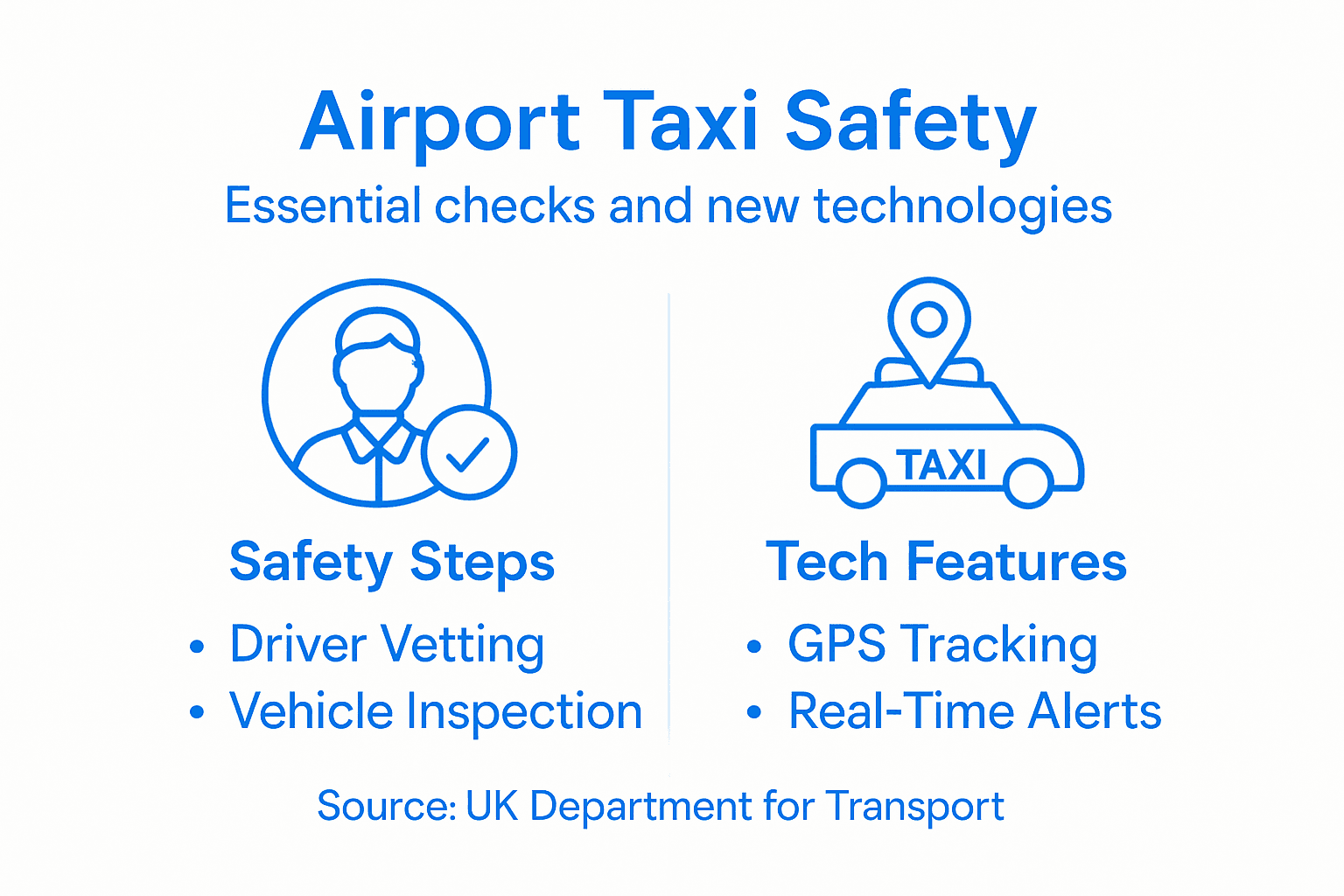
Moreover, contemporary safety standards increasingly incorporate technological solutions. Advanced GPS tracking, real-time vehicle monitoring systems, and digital compliance verification platforms help airport taxi services maintain consistently high safety standards. These technological interventions enable immediate risk assessment, rapid emergency response, and comprehensive performance tracking.
Pro Tip: When booking an airport taxi, always request confirmation of the operator’s safety certification and request details about their driver verification processes.
Key Variations: Private Hire Versus Hackney Carriages
Understanding the critical distinctions between private hire vehicles and hackney carriages is essential for passengers seeking safe and reliable transportation. These two categories of professional taxi services operate under distinctly different regulatory frameworks, each with unique operational characteristics and legal requirements.
The passenger transportation regulations highlight fundamental operational differences. Hackney carriages, commonly known as traditional taxis, can be hailed directly from the street or picked up at designated taxi ranks. They are equipped with meters that calculate fares according to local authority regulations. Conversely, private hire vehicles must be pre-booked through an authorised operator and cannot be flagged down spontaneously.
Licensing requirements represent another significant variation between these transportation modes. Hackney carriage drivers typically undergo more stringent licensing processes, including comprehensive knowledge tests about local routes and comprehensive background checks. Private hire vehicle drivers face different, though equally rigorous, qualification standards. These distinctions ensure that each type of vehicle meets specific safety and operational criteria designed to protect passenger interests.
Technological and visual differences further distinguish these vehicle types. Hackney carriages often feature distinctive markings, roof lights, and standardised vehicle designs mandated by local authorities. Private hire vehicles, by contrast, maintain a more discreet appearance and rely on digital booking platforms to connect with passengers. These variations reflect the nuanced regulatory landscape governing professional transportation services.

Here is a concise comparison of hackney carriages and private hire vehicles for passenger reference:
| Category | Hackney Carriage | Private Hire Vehicle |
|---|---|---|
| Booking Method | Can be flagged or use rank | Must be pre-booked via operator |
| Vehicle Appearance | Marked, roof light, regulated design | Discreet, no uniform markings |
| Fare Calculation | Metered per local rules | Fixed or quoted in advance |
| Licensing Tests | Detailed local route knowledge | Focus on general driving ability |
| Passenger Flexibility | Immediate availability | Scheduled in advance |
Pro Tip: Always confirm whether you require a pre-booked private hire vehicle or can hail a traditional hackney carriage based on your specific transportation needs.
Driver Vetting, Licensing and Ongoing Training
Driver safety begins with comprehensive vetting processes that extend far beyond simple background checks. Professional taxi services must implement rigorous screening mechanisms to ensure passenger protection and maintain the highest standards of professional conduct.
The upcoming UK licensing reforms represent a significant leap forward in driver qualification standards. These reforms mandate extensive criminal background investigations, mandatory safeguarding training, and continuous compliance monitoring. Key components include detailed personal history reviews, multiple reference checks, enhanced criminal record screenings, and periodic professional assessments that go well beyond traditional licensing requirements.
Ongoing training represents another critical dimension of driver professional development. Modern taxi driver training programmes encompass far more than basic driving skills. Comprehensive curricula now include advanced modules on passenger interaction, emergency response protocols, conflict resolution, accessibility awareness, and specialised customer service techniques. These educational initiatives ensure drivers are not just competent operators, but professional service providers capable of handling diverse and sometimes challenging transportation scenarios.
Technological integration has transformed driver training and monitoring. Advanced GPS tracking, real-time performance assessment systems, and digital compliance platforms enable continuous professional development. These technologies allow transportation companies to provide immediate feedback, identify potential improvement areas, and maintain consistently high safety and service standards across their entire driver network.
The following table summarises key components of effective driver vetting and ongoing training in airport taxi services:
| Component | Description | Safety Impact |
|---|---|---|
| Criminal Background Check | Multi-source investigation | Reduces risk of misconduct |
| Reference Verification | Contact with prior employers | Ensures professional conduct |
| Compliance Monitoring | Regular audits of qualifications | Maintains industry standards |
| Safeguarding Training | Education on vulnerable passenger needs | Enhances passenger protection |
Pro Tip: Always request documentation confirming a driver’s current training certification and background verification status before booking a taxi service.
Vehicle Safety Checks and Hygiene Protocols
Vehicle safety represents a cornerstone of professional transportation services, encompassing comprehensive mechanical assessments, meticulous maintenance protocols, and rigorous hygiene standards. These multifaceted requirements ensure passenger protection, vehicle reliability, and optimal operational performance across transportation networks.
The UK government’s proposed national standards represent a significant advancement in establishing consistent vehicle safety benchmarks. These comprehensive guidelines mandate systematic inspections addressing critical areas including mechanical integrity, structural soundness, electrical systems, brake performance, and overall vehicle condition. Beyond technical assessments, the standards incorporate detailed hygiene requirements, ensuring vehicles maintain exceptional cleanliness and sanitisation levels that protect passenger health.
Technological innovations have transformed vehicle safety verification processes. Advanced diagnostic tools now enable real-time monitoring of vehicle systems, providing instantaneous insights into mechanical performance, potential wear indicators, and maintenance requirements. Digital inspection platforms allow transportation providers to track vehicle health comprehensively, scheduling preventative maintenance before potential issues escalate. These technologies complement traditional mechanical assessments, creating a multi-layered approach to vehicle safety and reliability.
Hygiene protocols have become increasingly sophisticated, particularly in response to global health challenges. Modern vehicle safety checks now include detailed sanitisation procedures, incorporating specialised cleaning techniques, antimicrobial treatments, and systematic disinfection protocols. High-performance air filtration systems, touchless payment methods, and regular deep-cleaning schedules represent emerging standards in maintaining passenger safety and confidence.
Pro Tip: Request a recent safety inspection certificate and understand the specific hygiene protocols employed by your transportation service before booking.
Passenger Rights, Responsibilities and Complaint Procedures
Passenger rights form a critical framework of protections designed to ensure safe, transparent, and respectful transportation experiences. Understanding these rights empowers travellers to navigate complex transportation scenarios with confidence and clarity, while simultaneously holding service providers accountable for maintaining exceptional standards.
The European Commission’s passenger rights framework establishes comprehensive guidelines that protect travellers across multiple transportation modes. These regulations emphasise fundamental principles of non-discrimination, transparent information sharing, timely assistance during service disruptions, and clear compensation mechanisms. Passengers are guaranteed specific entitlements including accessible complaint procedures, protection against arbitrary service denials, and standardised support protocols that apply consistently across different transportation providers.
Passenger responsibilities represent the counterbalance to these rights, creating a mutual framework of expectations and conduct. These obligations include providing accurate personal information, arriving at designated pickup points on time, adhering to vehicle safety protocols, respecting driver instructions, and maintaining appropriate behaviour throughout the journey. Responsible passenger conduct ensures smooth, efficient transportation experiences and contributes to overall service quality and safety.
Complaint procedures have evolved to become increasingly streamlined and accessible. Modern transportation services typically offer multiple channels for raising concerns, including online submission platforms, dedicated customer service telephone lines, email communication, and in-person resolution mechanisms. Effective complaint procedures involve clear documentation, systematic investigation protocols, and proportionate resolution strategies that address passenger concerns transparently and efficiently.
Pro Tip: Document all communication details and maintain a clear, factual record when filing any transportation-related complaint.
Emerging UK Regulations for 2026 and Common Pitfalls
Transportation regulatory landscapes are continuously evolving, with significant transformations anticipated in the United Kingdom’s taxi and private hire vehicle sectors. These emerging regulations represent a comprehensive approach to standardising safety, accessibility, and operational excellence across diverse transportation networks.
The proposed national licensing standards signal a pivotal shift towards harmonised regulatory frameworks. By introducing consistent nationwide guidelines, the UK government aims to eliminate regional inconsistencies that have historically compromised passenger safety and service quality. Key proposed changes include standardised driver vetting procedures, uniform vehicle condition assessments, and enhanced safeguarding protocols that transcend local authority boundaries.
Common regulatory pitfalls have been systematically identified and targeted through these emerging regulations. Historically, fragmented local policies created significant gaps in driver background checks, vehicle safety enforcement, and passenger protection mechanisms. The new framework addresses these challenges by establishing mandatory minimum standards that will apply uniformly across England. This approach ensures that passengers receive equivalent levels of protection, regardless of their specific geographic location or local licensing authority’s existing practices.
Technological integration and digital compliance mechanisms represent another critical dimension of these emerging regulations. Advanced digital platforms will enable real-time verification of driver credentials, vehicle safety certifications, and continuous professional development records. These technological interventions create transparent, accountable systems that significantly reduce opportunities for regulatory circumvention and enhance overall transportation safety standards.
Pro Tip: Stay informed about upcoming regulatory changes and proactively understand how they might impact your transportation choices and rights.
Experience Unmatched Airport Taxi Safety with Capital Cars Scotland
Ensuring your safety during airport transfers is not just a priority but a standard at Capital Cars Scotland. As highlighted in the article on airport taxi safety standards, rigorous driver vetting, meticulous vehicle checks and adherence to evolving regulations are more than concepts – they protect you every journey. We understand your need for reliable, professional and safe transportation. That is why our private hire taxi services in Edinburgh meet and often exceed these exacting safety benchmarks. Our drivers undergo thorough background checks and continuous training while our vehicles are maintained to the highest mechanical and hygiene standards.

Don’t compromise on safety or comfort when booking airport transport. Start your journey with confidence by choosing Capital Cars Scotland where modern technologies and customer-focused service converge to deliver peace of mind. Visit our Uncategorised Archives – Capital Cars for insightful taxi tips and cost-saving guides. Ready to book a safe, swift and comfortable airport transfer or local ride today Explore our full range of services at Capital Cars Scotland and secure your trusted transport now.
Frequently Asked Questions
What are airport taxi safety standards?
Airport taxi safety standards are a set of regulations and protocols designed to ensure passenger protection, vehicle reliability, and high operational excellence during ground transportation at airports.
How are airport taxi drivers vetted for safety?
Taxi drivers undergo thorough background checks, criminal history screenings, and are required to have defensive driving certifications along with ongoing training to ensure passenger safety and professional conduct.
What types of vehicles are used in airport taxi services, and how are they maintained?
Airport taxis include both hackney carriages and private hire vehicles, which undergo regular mechanical inspections, maintenance checks, and adhere to stringent hygiene protocols to ensure passenger safety and vehicle reliability.
Why is technology important in maintaining airport taxi safety standards?
Advanced technologies such as GPS tracking, real-time monitoring systems, and digital verification platforms enhance safety by enabling immediate risk assessment, rapid emergency response, and comprehensive performance tracking.
Recommended
- The Expert Guide to Taxi for the Airport in 2026 – Capital Cars
- Good Taxi Guide: Your Trusted Handbook for 2026 – Capital Cars
- Taxi Airport Taxi Guide: Your Essential 2026 Travel Companion – Capital Cars
- Travelers Taxi Guide: Your Ultimate Companion for 2026 – Capital Cars
- 7 Key Commercial Car Detailing Advantages for Fleets