
Need a ride in 2026? Calling a cab has never been easier, yet with so many options, making the right decision can feel overwhelming. Reliable transport is essential in today’s fast-paced urban life, and the way you call a cab now depends on more than just convenience.
With new technologies, safety features, and a variety of services available, your choices matter more than ever. This guide will equip you with practical steps, expert tips, and insider knowledge to help you navigate every cab scenario confidently.
Let this handbook be your trusted companion for every journey. Inside, you will discover the different types of cab services, how to book, safety tips, ways to save money, and future trends shaping the world of urban transport.
Understanding Cab Services in 2026
Navigating the modern world of cabs in 2026 is a different experience from just a few years ago. Whether you want to call a cab for a quick trip or a special occasion, understanding the evolving landscape is essential. From high-tech fleets to new booking standards, let us break down what you need to know.
Evolution of Cab Services
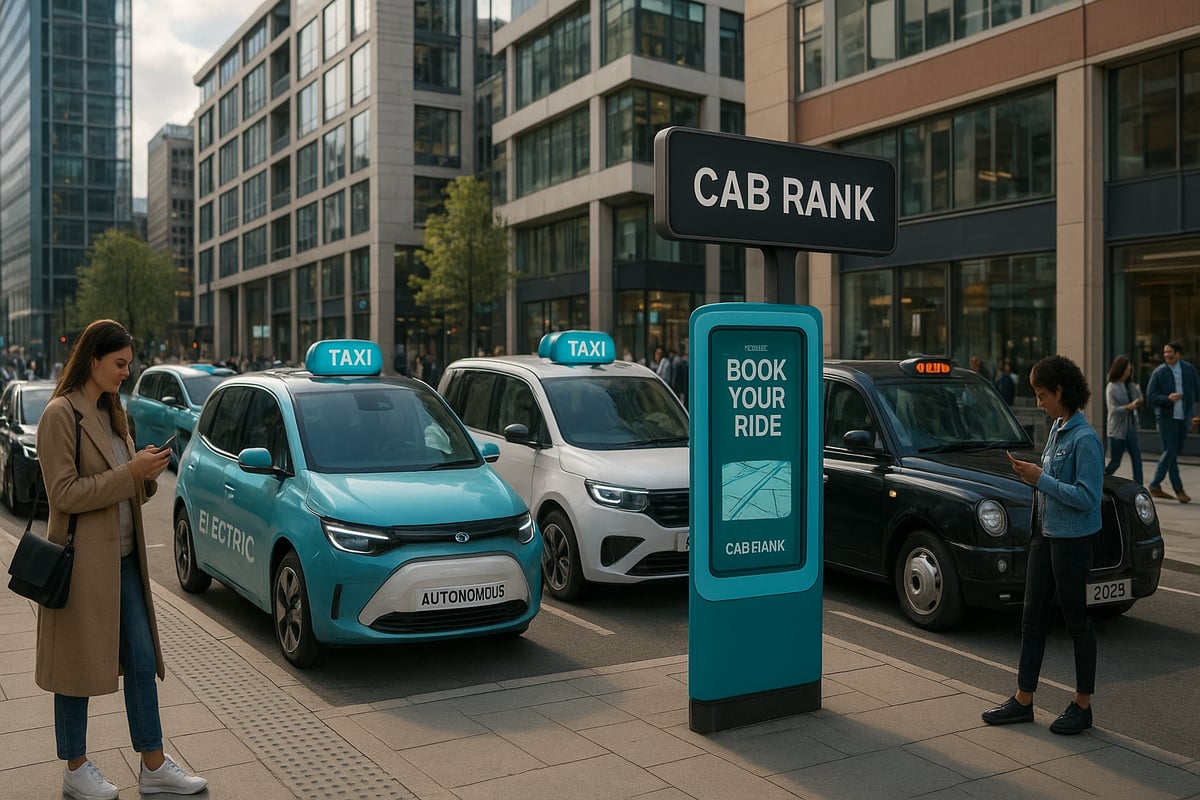
The journey to today’s cab industry started with traditional taxis, often hailed on the street or booked by phone. Over the past decade, ride-hailing giants revolutionised how we call a cab, introducing easy-to-use apps, digital payments, and real-time tracking. Local taxi firms responded by upgrading their own systems, embracing technology for smoother customer experiences.
Today, hybrid fleets are common. Many companies now offer electric vehicles and even autonomous cars alongside classic taxis. According to a 2025 industry survey, over 70 percent of urban rides are booked digitally, showing just how far the world of cab services has come.
Types of Cab Services Available
When you need to call a cab, you’ll find a wide array of options. Standard taxis, private hire vehicles, and ride-sharing services each serve different needs. On-demand cabs can be booked instantly, while pre-booked services are ideal for scheduled journeys such as airport transfers.
Specialised vehicles are also widely available, including wheelchair-accessible cabs, executive cars for business trips, and group carriers for larger parties. Some companies even offer eco-friendly or luxury options, giving riders more choice than ever before.
Regulatory Landscape
Regulations are a crucial part of the cab industry. Every driver and vehicle must meet strict licensing requirements, which vary by city. For example, London’s Ultra Low Emission Zone (ULEZ) has pushed operators to use cleaner vehicles, directly affecting how you call a cab in the capital.
It’s vital to choose licensed and insured services for safety and peace of mind. City-specific rules, like congestion charges or emission standards, can also influence which cab service fits your journey best. Always check credentials before you travel.
Key Players and Market Share
The UK cab market features a mix of national brands, local companies, and app-based giants. In some cities, traditional taxis remain popular, while in others, digital ride-hailing apps dominate. Market share shifts as new technologies emerge and rider preferences evolve.
For up-to-date figures, the Taxi and private hire vehicle statistics, England: 2024 (revised) report provides a comprehensive overview, highlighting how digital services have overtaken many traditional models. Regional differences are striking, with local firms leading in some areas and national chains elsewhere.
Pros and Cons of Each Service Type
Each way to call a cab comes with its own strengths and weaknesses. Reliability, cost, and availability can vary between traditional taxis and app-based services. For instance, scheduled airport runs often benefit from pre-booked, licensed cabs, while late-night travel may be easier with on-demand apps.
| Service Type | Pros | Cons |
|---|---|---|
| Traditional Taxi | Widely trusted, regulated | May cost more, less tech |
| Ride-Hailing App | Fast, transparent pricing | Surge pricing, app required |
| Private Hire | Pre-bookable, customisable | Less flexible, pre-arranged |
Customer satisfaction ratings in 2025 showed high marks for convenience and safety in app-based rides, but many still value the personal touch of local cab firms. The choice depends on your priorities and the situation.
How to Call a Cab: Step-by-Step in 2026
Ready to navigate the world of cab bookings with ease? Here is your detailed guide to every step when you need to call a cab in 2026. Whether you are hailing a ride for a late night, planning an airport transfer, or arranging a group journey, this section will help you choose the right service and book with confidence.

Step 1: Decide Your Service Type
When you need to call a cab, start by assessing your specific needs. Are you travelling alone or with a group? Do you require wheelchair access, or is speed your top priority? Consider if you want a standard taxi, a private hire vehicle, or a ride-share option.
Review which services are available in your area. For late-night journeys, some providers specialise in safety and rapid response. For scheduled airport runs, pre-booked executive cars might be best. Think about cost, comfort, and any special requirements before you make your decision.
Choosing the right service for your journey ensures your experience is smooth from the start.
Step 2: Booking Methods Explained
Once you have chosen your service, the next step to call a cab is understanding your booking options. You can book by phone, use a mobile app, visit an online portal, or even hail a cab on the street in some cities.
Each method has its pros and cons. Phone bookings are reliable for those who prefer speaking directly to an operator. Apps and online portals offer real-time tracking and instant fare estimates. Street hailing can be quick in busy areas but less predictable elsewhere.
For a step-by-step guide on booking a taxi online, you can refer to How to Book a Taxi Online, which explains the process clearly and efficiently.
Step 3: Entering Journey Details
When you call a cab, providing accurate journey details is essential. Double-check your pick-up and drop-off addresses, and inform the provider of any special requirements, such as child seats or multiple stops.
Modern apps often use location services and map integration to help you pinpoint your exact location. If your trip involves several destinations, be sure to enter each stop clearly. This ensures the driver can plan the best route and avoids confusion during the journey.
Giving correct information up front makes every ride smoother.
Step 4: Confirming Your Booking
After you call a cab and submit your details, you will receive a booking confirmation. This might come as an SMS, email, or app notification. Always verify the driver’s name, vehicle registration, and estimated arrival time.
Be cautious of fake confirmation messages. Legitimate bookings will include clear details and match the official service you contacted. If you are unsure, contact the provider directly to confirm your booking.
Taking a moment to double-check helps protect you from scams and ensures peace of mind.
Step 5: Tracking and Communicating with Your Driver
Once your booking is confirmed, tracking your cab is straightforward. Most apps now offer real-time maps showing your driver’s location and estimated arrival time. This helps you plan your departure and avoid unnecessary waiting.
You can also use app messaging or call features to update your driver or clarify pick-up points. When you call a cab, sharing your ride status with friends or family adds an extra layer of safety.
Effective communication ensures a seamless pick-up and keeps everyone informed throughout your journey.
Step 6: Boarding and Payment
When your cab arrives, always verify the vehicle and driver match your booking confirmation before you board. Payment options in 2026 are flexible—choose from cash, card, digital wallets, or in-app payments.
Many services now offer contactless payments and split fare options for group travel. If you have questions about payment, ask the driver or check the app’s help section. To call a cab and complete your journey smoothly, being prepared for payment methods is key.
Enjoy your ride, knowing you have followed every step for a safe and efficient experience.
Safety and Security When Using Cabs
Staying safe and secure when you call a cab is just as important as getting from A to B. Whether you are a frequent traveller or only use cabs occasionally, it is vital to be aware of the steps that protect you during every journey. The following guide covers key safety measures and practical advice to help you travel with confidence in 2026.

Verifying Cab and Driver Credentials
Before you call a cab, always check that the service is fully licensed and insured. Legitimate cabs display their licence clearly, and drivers should wear an ID badge with their photo and name. When booking through an app, confirm the vehicle registration matches the details provided. Many services now include QR codes on vehicles or in-app for instant verification.
If you are hailing a cab on the street, look for official branding and registration plates. Never get into an unmarked vehicle or one without clear identification. These checks give you peace of mind every time you call a cab.
Personal Safety Tips for Riders
Your personal safety should be a top priority each time you call a cab. Share your ride details with a trusted contact, especially if travelling alone or at night. Choose well-lit pick-up points and let someone know your estimated arrival time.
Modern apps often provide emergency features and ride tracking. For more advice on staying safe and making the most of new technology, see these Safety Tips for Taxi Users. By following these tips, every time you call a cab, you add another layer of protection to your journey.
Avoiding Scams and Fraud
When you call a cab, be aware of common scams such as fake taxis, overcharging, or phishing attempts. Only use reputable booking apps or official phone numbers, and do not accept rides from drivers who approach you directly without verification.
Pay through secure channels like verified apps or official payment terminals. If in doubt, ask for a printed receipt or digital confirmation. These steps ensure that when you call a cab, your ride is both safe and legitimate.
COVID-19 and Health Considerations
Post-pandemic, health and hygiene remain crucial whenever you call a cab. Look for services that display visible cleaning protocols, such as sanitised vehicles and available hand gel. Many riders still prefer drivers who wear masks and encourage contactless payments.
A 2025 survey found that 90 percent of passengers choose cabs with strong hygiene standards. Prioritise these features to ensure you feel comfortable and secure every time you call a cab.
Insurance and Liability
Understanding your rights and coverage is essential when you call a cab. Licensed services must provide passenger insurance, protecting you in the event of an accident. If something goes wrong, such as lost property or a dispute, contact the cab company immediately and keep your booking details handy.
In case of an incident, request an official report and follow the service’s complaints procedure. These measures help safeguard your interests whenever you call a cab.
Maximising Value: Cost, Discounts, and Tips
Maximising the value when you call a cab in 2026 requires a strategic approach. With digital fare calculators, frequent promotions, and more payment options than ever, understanding how to reduce costs is essential for both occasional and regular riders. Let us guide you through the key steps to ensure you never pay more than necessary when you call a cab.
Understanding Fare Structures
When you call a cab, knowing how fares are calculated can prevent surprises. Most services use a combination of distance, time, and surcharges to determine the final price. Some cabs offer flat rates for airport runs or special zones, while others rely on metered fares that adjust in real time.
Common surcharges include peak hour fees, late-night premiums, and additional charges for extra luggage or large vehicles. Always review the fare breakdown before you confirm your booking, especially if you are using a new service or travelling at busy times.
For example, airport transfers often come with set pricing, which can be beneficial if you prefer predictability. Understanding these structures ensures you get the best deal every time you call a cab.
Comparing Prices Across Services
To make the most of your money when you call a cab, compare prices across different providers. Aggregator apps and fare comparison tools allow you to view estimates from multiple companies in seconds. This is particularly useful in cities where pricing can vary significantly.
Regional differences can affect average fares, so check local rates before you travel. For example, Edinburgh fares may differ from those in London or Manchester. If you are unsure about which type of taxi suits your needs, the Taxi Service Types Explained guide offers insights into options and pricing strategies.
A simple table can help you compare:
| City | Standard Fare | Peak Surcharge | Airport Flat Rate |
|---|---|---|---|
| Edinburgh | £6 | £2 | £25 |
| London | £8 | £3 | £35 |
| Manchester | £7 | £2 | £28 |
This approach ensures you always make an informed choice when you call a cab.
Discounts, Loyalty Schemes, and Promo Codes
Every time you call a cab, look for discounts and loyalty schemes. Many providers offer promo codes to new users or during special events. Signing up for newsletters or app notifications can alert you to flash sales or exclusive deals.
Loyalty programmes are increasingly common, rewarding frequent riders with points, free rides, or priority bookings. Some apps even feature referral bonuses, giving you and your friends extra savings.
To maximise value, always check the promotions section before finalising your booking. Using a promo code or redeeming loyalty points can make a noticeable difference to your final fare when you call a cab.
Tipping Etiquette in 2026
Tipping remains an important part of cab culture in 2026, but expectations have evolved. When you call a cab, consider tipping rates of around 10–15 percent for good service. Most apps now offer in-app tipping, making the process seamless and secure.
Some riders prefer to tip in cash, especially for exceptional journeys or when using traditional taxis. Surveys suggest that 60 percent of passengers prefer app-based tipping for its convenience and transparency.
Remember, tipping is always at your discretion, but it is appreciated by drivers and can enhance your overall experience when you call a cab.
Saving Money on Regular Journeys
If you call a cab regularly, explore subscription plans and ride bundles. Many services now offer commuter packages that provide discounted rates for daily or weekly travel. Carpooling and group bookings are also excellent ways to split costs, especially for colleagues or families.
Look for monthly commuter deals, which can significantly reduce your average fare. Some companies even extend group discounts, making it more affordable to travel together.
By planning ahead and choosing the right packages, you ensure that every time you call a cab, you are getting the maximum value for your money.
The Future of Calling a Cab: Trends and Innovations
The landscape of how you call a cab is transforming rapidly, bringing both excitement and fresh considerations for passengers. Advances in technology, transport integration, and sustainability are reshaping the cab experience across the UK. Here is what you can expect when you call a cab in 2026.
Autonomous and Electric Vehicles
In 2026, calling a cab often means stepping into a vehicle powered by electricity or, in some cities, riding without a human driver at all. Electric cabs are now common, reducing emissions and improving air quality in urban areas. The rise of autonomous vehicles is set to redefine convenience and safety. For example, Waymo plans to bring its driverless taxis to London in 2026, marking a shift towards fully automated ride experiences. Pilot schemes across major UK cities are already underway, giving passengers a glimpse of a future where you can call a cab and have it arrive without a driver behind the wheel.
Integration with Public Transport
When you call a cab in 2026, you are likely to benefit from seamless connections with buses, trains, and other public transport. Modern apps allow you to plan and book multimodal journeys in a single step. For instance, Transport for London’s integrated travel app enables users to call a cab as part of a complete route, including real-time updates and ticketing. This integration makes it easier to reach destinations efficiently, especially when combining cab rides with public transport for the last leg of your journey.
Personalisation and Accessibility
The way you call a cab is now tailored to individual preferences and needs. Services offer a range of options, from custom vehicle settings to entertainment choices. Passengers can request accessibility features, such as wheelchair ramps or extra space, directly through booking apps. Voice-command bookings and AI-powered assistance help users with visual or mobility impairments to call a cab effortlessly. These innovations ensure that transport is inclusive and comfortable for everyone, no matter the journey.
Data Privacy and Security
With the increasing use of digital platforms to call a cab, data privacy and security have become central concerns. Cab companies and app providers now follow stringent regulations on handling personal information. GDPR-compliant booking systems ensure your data is stored and processed securely, giving peace of mind when you call a cab. New protocols include encrypted communications, two-factor authentication, and transparent privacy policies, helping to safeguard your journey from booking to drop-off.
Sustainability and Green Initiatives
Sustainability is now a core focus when you call a cab in the UK. Eco-friendly ride options are widely available, including hybrid and fully electric vehicles. Many services offer carbon offset schemes or incentives for choosing greener cabs, supporting national and local environmental goals. According to industry forecasts, 50 percent of UK cab fleets are expected to be electric or hybrid by 2026, demonstrating the sector’s commitment to reducing its carbon footprint. This shift means passengers can call a cab and contribute to a cleaner, greener future at the same time.
Choosing the Right Cab Service: Local vs. National Providers
Selecting the best service when you need to call a cab requires careful consideration. Whether you are navigating a busy city or planning a trip to the airport, making the right choice ensures a smooth journey. Let us explore the main factors that set local and national providers apart.
Factors to Consider When Selecting a Cab Company
When you call a cab, prioritise reputation, reliability, and customer reviews. Look for providers with consistently high ratings and transparent feedback. Service area coverage is crucial; national companies often offer broad reach, while local firms may excel in specific regions.
Evaluate availability, especially during peak hours or in remote locations. Compare pricing structures and check for hidden fees. Local providers might offer more competitive rates in their area, while national chains may have standardised fares. Think about your journey needs and how each company matches them.
Benefits of Using Local Providers
Choosing a local company when you call a cab often brings unique advantages. Local firms typically deliver more personalised service, drawing on deep knowledge of neighbourhoods, shortcuts, and traffic patterns. This can translate to shorter wait times and efficient routes.
Supporting local businesses also helps strengthen your community. Many local providers invest in eco-friendly vehicles and prioritise accessibility for all passengers. If you value a tailored experience and community ties, opting for a trusted local cab firm can be the ideal solution.
Capital Cars Scotland: A Trusted Edinburgh Taxi Service
If you are looking to call a cab in Edinburgh, Capital Cars Scotland stands out for its commitment to reliability and customer satisfaction. Their diverse fleet covers everything from local runs to airport transfers, group travel, and city tours.
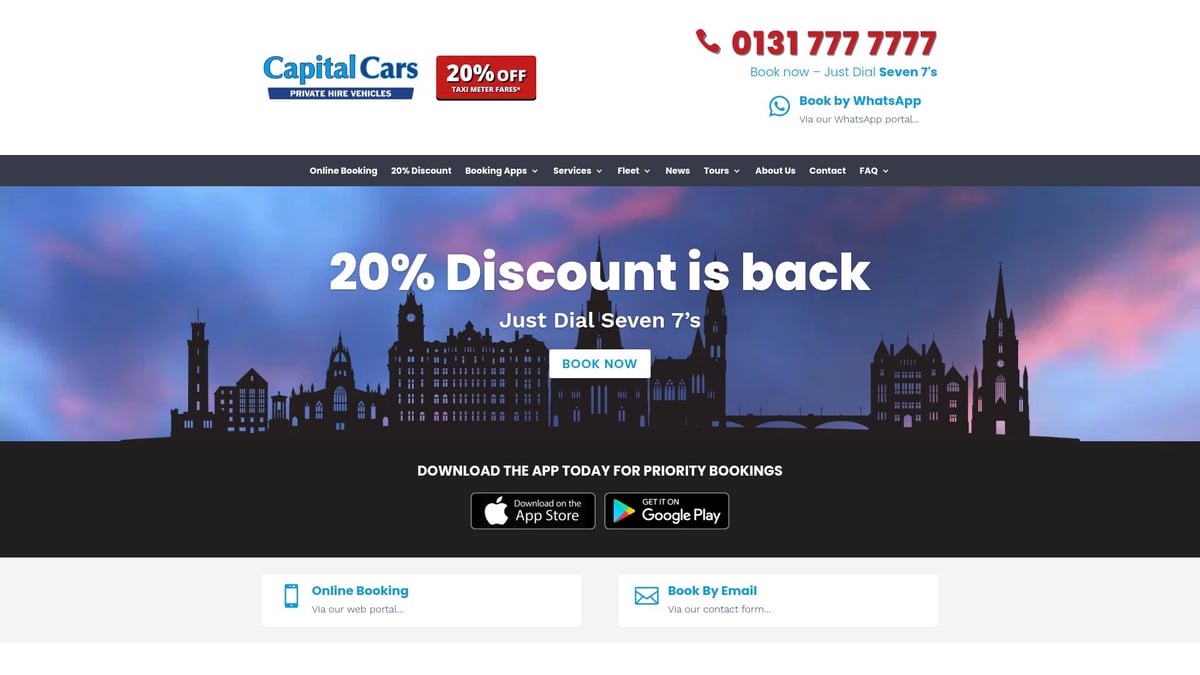
Available 24 hours a day, Capital Cars offers multiple booking channels, making it simple to arrange a cab by phone, app, or online. For those seeking dependable service at any hour, their 24 hour taxi service is particularly valuable. Ongoing discounts are available for both residents and visitors, ensuring excellent value with every journey.
Whether you are planning a quick local trip, need a reliable airport transfer, or want peace of mind on a late night journey, having a trusted cab company by your side is essential. We have explored the latest trends, safety tips, and booking methods to help you navigate every cab scenario with confidence in 2026. If you are ready to put this knowledge into action and experience hassle free travel in Edinburgh, you can take the next step in seconds. Click to contact / book and enjoy the flexibility, comfort, and reliability Capital Cars is known for.