
In 2026, the way we move around cities is transforming at an unprecedented pace. Choosing between car rental taxi services is no longer a simple decision, as new technology and changing lifestyles reshape our options.
With both travellers and residents seeking smarter, more efficient transport, understanding the pros and cons of each car rental taxi solution is essential. This article offers a clear, side-by-side comparison to help you make the right choice for your needs.
We will examine cost, convenience, technology, environmental impact, safety, and real user experiences. Ready to discover which car rental taxi option wins in 2026? Let’s begin.
Cost Comparison: Car Rental vs Taxi in 2026
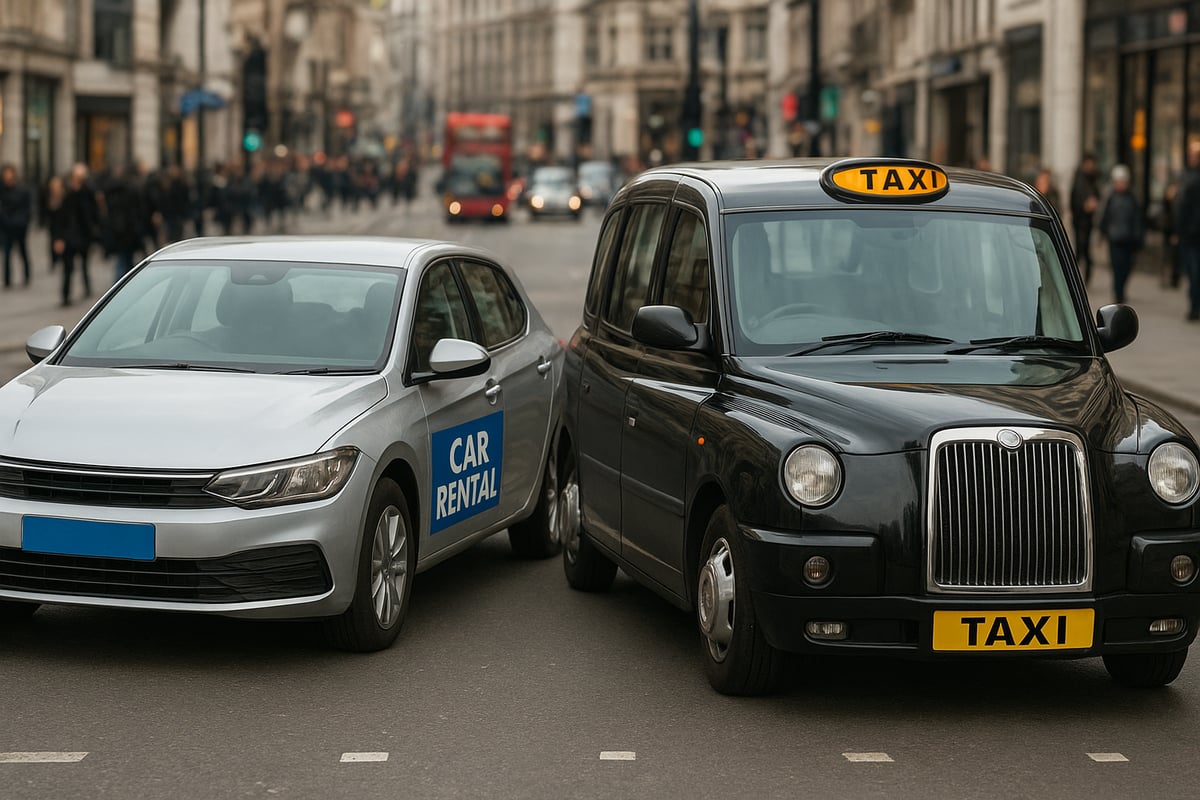
Choosing between a car rental taxi service and traditional taxi rides in 2026 means carefully weighing both visible and hidden expenses. Understanding these costs can help you make a financially sound decision for city commutes, airport transfers, or longer journeys.
Upfront and Hidden Costs
When comparing car rental taxi options to traditional taxis, upfront pricing is only part of the equation. Car hire companies typically offer daily or hourly rates, which can start as low as £30 per day for economy models in major UK cities. However, these rates often exclude insurance, deposits, and additional fees for extras such as GPS or child seats. Taxis, on the other hand, charge metered or app-based fares that include insurance and fuel but can be affected by surge pricing, late-night surcharges, or time-based fees.
Parking fees and congestion charges are crucial factors for car rental taxi users, as these expenses are not included in the base hire rate. Taxis generally incorporate such costs into the fare and relieve passengers from parking worries. For example, an average daily car rental in London might cost £45 plus £15 for parking and £12.50 for congestion, whereas a comparable taxi journey for the same distance could total £60 without hidden extras.
For a deeper dive into affordable taxi choices and cost-saving tips, see this resource on cheap taxi services in Edinburgh.
| Cost Element | Car Rental (Daily) | Taxi (Equivalent Distance) |
|---|---|---|
| Base Rate | £30–£45 | £50–£60 |
| Insurance | £10–£15 | Included |
| Fuel | £8–£12 | Included |
| Parking | £10–£20 | N/A |
| Congestion Charge | £12.50 | Included |
| Total (Estimate) | £70–£105 | £50–£60 |
These figures demonstrate that car rental taxi services may appear cheaper at first glance but can accumulate significant extra charges.
Long-Distance and Short-Trip Economics
The economics of a car rental taxi service shift depending on your journey length. For long-distance travel, hiring a car can be more cost-effective, particularly if you plan multiple stops or require flexibility over several days. For instance, a weekend getaway from Manchester to the Lake District may cost £120 for a three-day rental, compared to over £200 for a round-trip taxi.
For short, urban trips, taxis often win on price and convenience. Minimum fare policies apply in most UK cities, with typical starting rates between £3 and £6, making them ideal for quick hops across town. A car rental taxi is less practical for very short journeys, as the time spent collecting and returning the vehicle, plus hourly fees, outweighs the benefits.
Consider scenarios such as airport transfers: a taxi from Heathrow to central London averages £55–£70, while a one-day car rental taxi including fuel, parking, and congestion fees could reach £90 or more. According to transport authority data from 2024–2025, taxi fares have remained relatively steady, while rental costs can fluctuate with demand and season.
Flexibility and Payment Options
Flexibility is a key advantage in the car rental taxi debate. Car rentals typically require a fixed period—daily, weekend, or weekly—so you pay for the full duration, even if your usage is limited. However, some companies now offer subscription models or flexible pay-as-you-go rates, making them more appealing for frequent travellers.
Taxis, especially those booked by app, operate on a pay-as-you-go basis with no minimum rental period. Modern taxi apps support digital wallets, contactless payments, and even loyalty rewards for regular users. Promotions, such as discounted first rides or referral bonuses, are common.
Rental companies also run loyalty schemes, offering upgrades or free days for repeat customers. Comparing these options is crucial when deciding which car rental taxi provider suits your lifestyle. For example:
- Taxi app: Earn points for every ride, redeemable for discounts.
- Rental company: Membership discounts and priority booking during peak periods.
Value-Added Services and Extras
When evaluating car rental taxi services, value-added features can tip the balance. Rental companies offer add-ons such as child seats, sat navs, and additional driver options for a fee. Some packages include free cancellations, unlimited mileage, or 24/7 roadside assistance, enhancing peace of mind.
Taxis may provide extras like in-car Wi-Fi, phone charging, and accessibility features for passengers with mobility needs. Many leading taxi firms guarantee 24/7 support, rapid dispatch, and flexible booking changes.
To illustrate, a family hiring a car rental taxi for a week-long holiday may benefit from bundled extras like free GPS and child seats, while a business traveller using a premium taxi service could enjoy priority pick-up, complimentary refreshments, and a dedicated support line. Comparing these bundles is essential for maximising value and ensuring your chosen transport meets your specific requirements.
Convenience and Accessibility in 2026
Navigating urban transport in 2026 has become more streamlined, with both car rental taxi options evolving to meet diverse needs. Convenience and accessibility are now at the forefront of decision-making for travellers and residents alike.

Booking and Availability
Booking a car rental taxi has never been more accessible, thanks to technological advancements. Taxis can be summoned instantly via apps, offering real-time vehicle tracking and rapid response times. This immediacy contrasts with car rentals, which often require advance booking and sometimes lengthy paperwork. In most UK cities, taxis operate 24/7, ensuring travellers can secure a ride at any hour, even during late-night arrivals or early morning departures.
Car rental offices, on the other hand, typically maintain fixed operating hours. While some offer after-hours pick-up, availability is still more restricted compared to taxis. For example, in Edinburgh, the average wait time for a taxi is under five minutes, compared to the time needed to complete a car rental pick-up. If you prioritise round-the-clock access, explore services like the 24-hour taxi service in Edinburgh, which highlights the continuous availability advantage of taxis over traditional rentals.
Pick-Up, Drop-Off, and Flexibility
One of the main benefits of a car rental taxi is the flexibility in pick-up and drop-off locations. Taxis provide door-to-door service, picking you up and dropping you off precisely where needed. This is especially helpful in unfamiliar areas or when carrying heavy luggage. With car rentals, you must collect and return the vehicle at designated offices, which may not always be conveniently located.
For those seeking flexibility, some rental companies offer one-way hire, but this usually incurs extra charges. In contrast, taxi ranks and ride-hailing apps allow you to access vehicles throughout the city, often with minimal waiting times. This convenience makes taxis particularly attractive for spontaneous journeys or when plans change unexpectedly.
Suitability for Different Travel Needs
Choosing between a car rental taxi and a traditional rental depends on your travel group and requirements. Solo travellers and business clients often prefer taxis for their speed and hassle-free experience, especially when time is of the essence. Families might lean towards car rentals, as these offer more space for luggage and the option to add child seats or other extras.
Accessibility is another consideration. Modern taxis frequently include features for disabled passengers, such as ramps and spacious interiors. Rental companies also provide a range of vehicles, but availability of accessible models may be limited. For airport transfers, taxis offer seamless, direct journeys, while car rentals require additional time for vehicle collection and navigation.
Navigating Local Regulations and Restrictions
Understanding the regulations for car rental taxi options is essential. Renting a car in the UK generally requires drivers to be at least 21 years old, hold a valid driving licence, and provide a deposit. Some rental companies impose additional requirements for younger drivers or international visitors. Taxis, in contrast, are operated by licensed professionals who undergo background checks and regular vetting, ensuring passenger safety.
Local traffic rules, congestion zones, and parking restrictions can impact the convenience of car rentals. Urban areas often have limited parking and may impose congestion charges, adding complexity for self-drive users. Taxis are typically exempt from these restrictions, making them a smoother choice for city travel.
Technology and User Experience
Technology in 2026 is transforming every aspect of the car rental taxi landscape. From booking to the ride itself, digital innovation is setting new standards for convenience, comfort, and personalisation. Whether you are a business traveller or a family on holiday, the right technology can make or break your transport experience.

Digital Platforms and App Integration
In 2026, the car rental taxi experience begins with a tap on your phone. Taxi apps provide real-time tracking, instant fare estimates, and driver ratings, allowing users to monitor their ride at every stage. Car rental apps offer booking management, vehicle selection, and even remote unlock features, streamlining the handover process.
A quick comparison of leading UK taxi and car rental apps reveals key differences:
| Feature | Taxi Apps | Car Rental Apps |
|---|---|---|
| Real-time Tracking | Yes | Sometimes |
| Fare Estimates | Instant | Upfront |
| Remote Unlock | No | Yes (select vehicles) |
| Driver Ratings | Yes | N/A |
| Booking Management | Yes | Yes |
Taxi technology is evolving rapidly, with many services integrating cashless payments, voice commands, and AI-powered route optimisation. For a closer look at how technology is reshaping taxi services, see Taxis and technology advancements. The car rental taxi sector is also investing heavily in seamless digital experiences, helping users manage their bookings and preferences with ease.
In-Vehicle Comfort and Amenities
Modern car rental taxi vehicles are equipped with features designed for maximum comfort. Taxis increasingly offer Wi-Fi, USB charging ports, and entertainment systems, catering to both business and leisure travellers. Many car rental fleets feature models with adjustable climate control, premium seating, and advanced navigation systems.
Cleanliness has become a top priority, with strict maintenance protocols and regular deep cleaning between hires. Accessibility is also improving, with more vehicles offering wheelchair access, step-free entry, and child seat options.
Passengers expect a consistent standard, whether they choose a car rental taxi or a traditional taxi. For those with specific needs, amenities like extra luggage space or pet-friendly options can be crucial. This focus on comfort helps ensure that every journey is smooth and enjoyable.
Customer Support and Problem Resolution
Reliable customer support is vital for the car rental taxi sector in 2026. Most providers now offer 24/7 helplines, live chat, and multilingual support to assist with everything from booking issues to lost property. Emergency support is standard, with rapid response for breakdowns or accidents.
Handling lost items is easier than ever, thanks to digital records and real-time communication. If a problem arises during your journey, support teams can quickly reroute vehicles or arrange replacements.
Customer satisfaction ratings from 2025 surveys highlight the importance of prompt, effective service. Car rental taxi companies that invest in robust support systems consistently score higher for user experience. This reliability builds trust and encourages repeat business.
Personalisation and Loyalty Programmes
Personalisation is a defining feature of the car rental taxi experience in 2026. Riders can customise music, climate, and even preferred routes through app settings. Stopping for errands or adding extra passengers is simple, thanks to flexible booking management.
Loyalty programmes are more sophisticated, offering points for each journey, upgrades to premium vehicles, and exclusive discounts. Many car rental taxi providers use user feedback to refine their services, ensuring that regular customers feel valued.
These personal touches not only improve satisfaction but also foster long-term loyalty. As technology continues to advance, expect even more customisation options and rewards for frequent users.
Environmental Impact and Sustainability
Urban transport in 2026 faces intense scrutiny over its environmental footprint. Travellers are more conscious than ever about choosing options that align with sustainability goals. When comparing car rental taxi solutions, understanding their impact on emissions, congestion, and consumer perceptions is crucial.
Vehicle Emissions and Eco-Friendly Fleets
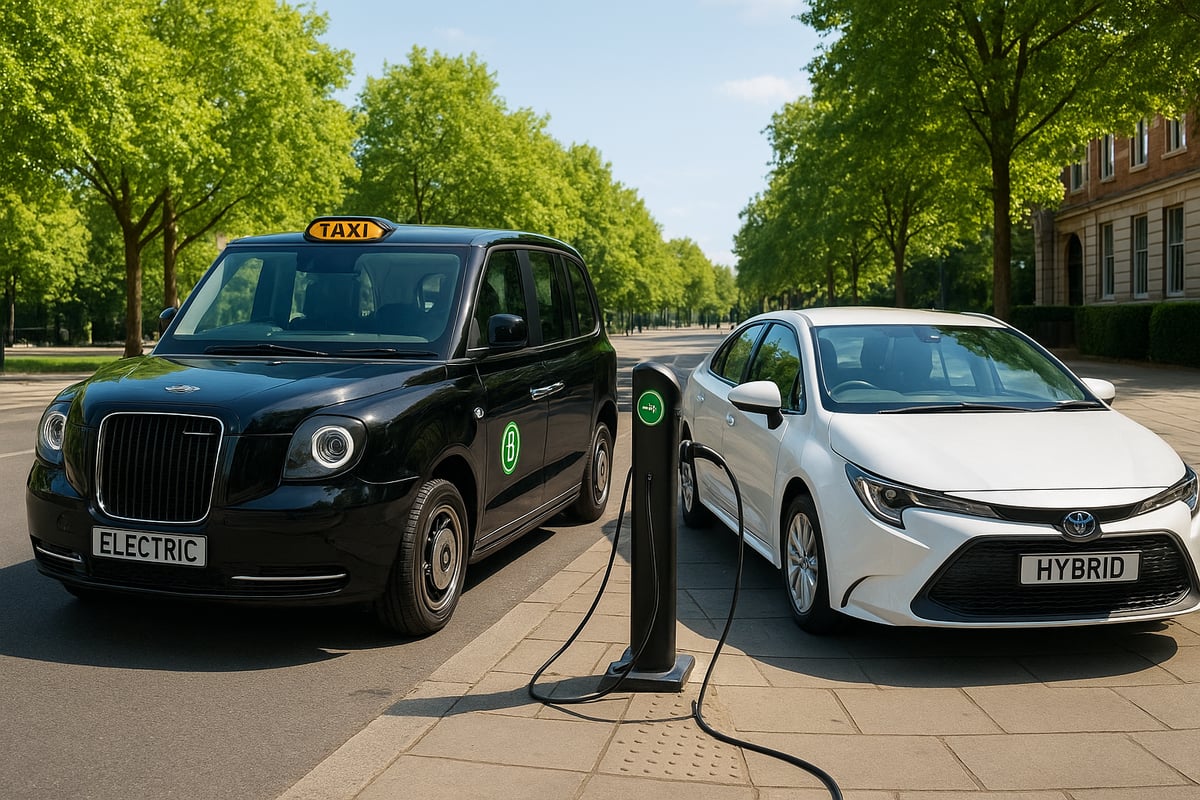
Both car rental taxi providers and traditional taxi operators have rapidly expanded their electric and hybrid fleets. In major UK cities, over 60% of new taxis and rental cars are now either electric or hybrid, reflecting strong government incentives and stricter emission standards.
Operators are investing in low-emission vehicles to meet consumer demand and comply with clean air zones. If you are interested in market trends and the shift toward sustainable fleets, the UK Car Rental Market Analysis 2025 provides detailed insight. In this evolving landscape, choosing a car rental taxi means you are more likely to access eco-friendly vehicles for your journey.
Shared Mobility and Ride-Pooling
Shared mobility has transformed the car rental taxi industry, with ride-pooling and carpool initiatives gaining traction. Taxi ride-sharing apps now match passengers with similar routes, while some rental companies offer carpool packages for groups.
These solutions reduce the number of vehicles on the road, cutting total emissions per passenger kilometre. According to 2025 studies, shared rides can lower CO2 output by up to 30% compared to solo trips. Opting for a shared car rental taxi not only saves money, it also contributes to a greener city.
Urban Congestion and Traffic Management
The impact of car rental taxi usage on congestion varies. Taxis, especially when ride-pooling, can help reduce the number of cars in city centres. Conversely, self-drive rentals may add to peak-time traffic if not used efficiently.
Cities have implemented congestion charges and traffic calming measures to encourage sustainable choices. Smart city initiatives increasingly promote taxis and shared mobility over private vehicles. A car rental taxi, when chosen thoughtfully, can be part of a broader solution to urban congestion.
Consumer Attitudes and Trends
UK travellers are showing a strong preference for sustainable transport options. Surveys from 2025 reveal that over 70% of consumers consider environmental impact before booking a car rental taxi or hailing a ride.
Many now perceive taxis—especially electric and shared services—as the greener choice. However, green rental fleets are closing the gap. The car rental taxi sector’s shift towards sustainability is not only driven by regulation but also by evolving public expectations.
Safety, Security, and Reliability
Choosing between a car rental taxi or a traditional taxi service in 2026 means prioritising safety, security, and reliability. These factors are vital for peace of mind, whether you are a frequent business traveller or an occasional user. Let us examine how both options compare across essential safety and reliability measures.
Driver Screening and Professionalism
When it comes to car rental taxi services, driver screening and professionalism are handled differently than with licensed taxis. Taxi drivers in the UK must undergo extensive background checks, medical assessments, and local authority licensing. They also receive formal training in customer service and local regulations.
In contrast, car rental taxi users are responsible for their own driving. Rental companies typically require a valid driving licence, a minimum age (often 21 or 25), and sometimes a clean driving record. This means the professionalism and safety largely depend on the individual behind the wheel rather than an external authority.
UK regulations for taxi drivers are strict, ensuring public safety. For car rental taxi agreements, the focus is on insurance and compliance with rental terms. In the event of an accident, taxi companies manage procedures for their passengers, while rental users must follow company protocols and report incidents themselves.
This difference in responsibility highlights the importance of considering your comfort with driving and your trust in professional drivers when choosing a car rental taxi or a traditional service.
Vehicle Safety Standards and Maintenance
Both car rental taxi fleets and licensed taxis must adhere to high safety standards. Licensed taxis undergo regular inspections by local councils, covering brakes, tyres, emissions, and safety systems. Vehicles are taken off the road if they fail to meet these requirements.
Car rental taxi companies invest in maintaining their fleets with scheduled maintenance, including checks on airbags, ABS, and GPS tracking. Newer models often offer advanced driver assistance systems for added security.
According to 2024-2025 vehicle safety ratings, both taxis and rental vehicles in the UK score highly for occupant protection. However, the responsibility for daily checks, such as tyre pressure and fuel levels, falls to the car rental taxi user, while taxi drivers handle these tasks professionally every shift.
Insurance, Liability, and Accident Handling
Insurance is a key consideration when comparing car rental taxi and traditional taxi options. Taxi fares in the UK include passenger insurance, so you are covered automatically in the event of an incident. Claims are managed by the taxi company, which also provides support for lost property or emergencies.
For car rental taxi users, insurance is often an optional extra. Basic coverage may be included, but additional options such as collision damage waiver or personal accident insurance can add to the cost. Excess charges may apply if you are involved in an accident, and you must initiate the claims process directly with the rental firm.
In real-life scenarios, taxi users benefit from immediate company support after an incident, while car rental taxi users may need to arrange roadside assistance or alternative transport themselves.
Reliability and Service Guarantees
Reliability is a decisive factor for many travellers. Taxi services in the UK are known for their punctuality, with average wait times in major cities under 10 minutes. Service guarantees such as refunds or compensation are standard if a booking is cancelled or delayed.
Car rental taxi providers also strive for high reliability, offering 24/7 roadside assistance and flexible pick-up and drop-off options. However, users are responsible for returning the vehicle on time and reporting any issues promptly.
User reviews from 2025 show high satisfaction rates for both services, though taxi users appreciate the convenience of not having to drive or park. Ultimately, your choice between a car rental taxi and a traditional taxi depends on your priorities for reliability, independence, and peace of mind.
User Scenarios and Real-World Experiences
Choosing between a car rental taxi can depend heavily on your unique travel needs. Let's explore how different user groups experience these options in real-world situations.
Business Travel and Corporate Needs
Business travellers often prioritise privacy, flexibility, and seamless expense management. With a car rental taxi, professionals can manage their own schedule, make unscheduled stops, and keep sensitive discussions private.
Corporate accounts, priority services, and detailed invoicing are typically available from both car rental and taxi providers. For instance, on a business trip from Edinburgh to Glasgow, a car rental taxi offers the freedom to travel directly between meetings, while a taxi ensures door to door convenience without parking concerns.
Expense tracking is streamlined, with digital receipts provided by both services. Ultimately, the right choice depends on whether flexibility or immediate, on demand service is more important.
Family Holidays and Group Travel
Families and groups value space, comfort, and the ability to customise their journey. A car rental taxi provides ample luggage capacity, child seats, and the option to plan multi stop routes. This flexibility is ideal for exploring scenic regions or making spontaneous detours.
For example, on a family holiday in Scotland, a car rental taxi enables families to travel at their own pace and visit remote attractions. Taxis, while convenient for short hops, may require multiple vehicles for larger groups and can limit luggage space.
Child friendly features and vehicle variety are key considerations. Rental packages often include extras like GPS and 24 7 support for peace of mind.
Tourists and Occasional Users
Tourists navigating unfamiliar cities face unique challenges. A car rental taxi allows independent exploration, but finding parking and understanding local rules can be daunting. Taxis offer local driver knowledge, eliminating navigation worries and language barriers.
For sightseeing in Edinburgh, tourists may opt for a guided taxi tour or a self drive adventure. Those seeking efficiency can benefit from tips on taxi ranks and queue skipping, ensuring minimal waiting times in busy areas.
Taxi services often provide tourist support, while rental companies may offer curated route suggestions. The choice comes down to confidence in self navigation versus the comfort of a local expert.
Residents and Everyday Commuters
Residents and daily commuters consider cost, time, and convenience. Subscription based car rental taxi services and monthly rental deals are gaining popularity for regular journeys.
Commuters appreciate the predictability and comfort of having a dedicated vehicle, while taxi subscriptions offer flexibility without the hassle of ownership. According to commuter satisfaction surveys in 2025, reliability and stress reduction are top priorities.
For shorter commutes, taxis minimise parking concerns and congestion charges. For longer or suburban routes, a car rental taxi can offer better value and autonomy, especially for those with variable schedules.
After weighing up the cost, convenience, and flexibility of both car rentals and taxis in 2026, you might find yourself leaning towards the option that offers true peace of mind and adaptability for any journey. With Capital Cars, you get around-the-clock service, a diverse fleet, and hassle-free booking that fits your lifestyle—whether you are after a quick airport transfer, a family outing, or a long distance trip. If you are ready to make your next journey simple and stress free, you can Click to contact / book and experience how easy travel in Edinburgh can be.