
Standing in the rain on a busy Edinburgh street, hoping to catch a passing cab, feels outdated when your phone can summon a ride in seconds. Taxi apps have changed local and visitor transport by using GPS and real-time data to match you with the best driver for your needs, not just the nearest car. With features like instant fare calculation and digital payments, these platforms offer intelligent matching systems that make airport transfers, city rides, and event journeys more predictable and convenient than ever.
Table of Contents
- What Taxi Apps Are And How They Work
- Types Of Taxi Apps And Main Differences
- Key Features Enhancing Rider Experience
- Legal Framework And Safety Responsibilities In 2026
- Costs, Benefits, And Common Pitfalls
- Comparing Taxi Apps With Traditional Transport
Key Takeaways
| Point | Details |
|---|---|
| Convenience and Accessibility | Taxi apps provide immediate access to rides, improving urban mobility, especially for those with mobility challenges. Digital payment options enhance user experience by eliminating cash needs. |
| Types of Taxi Apps | Understanding the difference between ride-hailing and e-hailing apps is crucial for choosing the right service based on your needs and preferences. Each type has varying pricing structures and driver standards. |
| Safety Regulations | Increasingly standardised safety frameworks ensure accountability for both app-based and traditional taxi services, offering passengers a consistent level of protection. |
| Cost Considerations | While taxi apps often appear cheaper, surge pricing can significantly impact fares. Users should compare pricing carefully and consider traditional options during peak times. |
What Taxi Apps Are and How They Work
A taxi app is a digital platform that connects you with available drivers in your area through your smartphone. Rather than standing on the pavement hoping to flag down a passing cab, you open the app, request a ride, and watch in real-time as a nearby driver accepts your booking and heads towards you. The app handles everything from fare calculation to payment processing, removing the uncertainty of traditional taxi hiring. What makes modern taxi apps particularly intelligent is their use of GPS technology and real-time data analytics to match you not just with any available driver, but with the most suitable one based on factors like driver expertise, current traffic conditions, and your specific preferences. This intelligent matching system has evolved taxi apps far beyond simple booking tools into comprehensive marketplaces that benefit both riders and drivers.
Here’s how the core process works. When you open a taxi app and enter your destination, the platform’s algorithm instantly identifies drivers in your vicinity and predicts which ones can reach you fastest. The app considers multiple variables simultaneously: traffic patterns, driver location and direction of travel, and real-time demand across the city. Rather than waiting for a driver to manually review your request, the system automatically sends notifications to suitable drivers, who can accept the ride with a single tap. Once matched, you see the driver’s name, vehicle details, and estimated arrival time on your phone’s screen. The app simultaneously calculates your fare based on distance and time, though some providers now use dynamic pricing models that adjust rates based on demand and traffic conditions. Throughout your journey, both you and the driver can track progress via GPS, ensuring transparency and reducing anxiety about arrival times.
For Edinburgh residents and visitors, understanding how these apps function is particularly useful given how they’ve transformed local transport options. Whether you’re heading to Edinburgh Airport early in the morning, need reliable transportation for an event in the city centre, or require a ride from an underserved area where traditional taxis rarely operate, taxi apps address genuine gaps in urban mobility. The platforms have made travel more accessible, particularly for people with mobility challenges who might struggle with traditional taxi hailing methods. Digital payment options eliminate the need to carry cash or worry about card readers, whilst the ability to rate drivers and receive ratings creates accountability on both sides. The data these apps generate also helps city planners understand travel patterns, contributing to more efficient urban design and reducing the environmental impact through optimised routing and carpooling options.
Professional advice When booking through a taxi app in Edinburgh, check the estimated fare and driver details before confirming your request, and enable location sharing so the driver can navigate directly to your exact position rather than a street address.
Types of Taxi Apps and Main Differences
When you’re looking for a ride in Edinburgh, you’ll quickly discover that not all taxi apps work the same way. The market has split into two main categories, each with distinct operational models and regulatory frameworks. Ride-hailing apps like Uber and Lyft connect you with private drivers who operate independently through Transportation Network Companies (TNCs). These services operate with flexible regulations that vary by region, allowing drivers to work with considerable freedom around scheduling and vehicle requirements. On the other side, e-hailing apps work as digital versions of traditional licensed taxi services, connecting you with professional taxi drivers who already operate within existing regulatory frameworks. The key difference is simple: ride-hailing brings in drivers from outside the traditional taxi system, whilst e-hailing digitises the existing taxi industry. This distinction matters because it affects everything from driver training standards to fare transparency to regulatory oversight. Understanding which type you’re using helps you know what standards apply and what protections exist.
Beyond these two primary categories, newer integrated marketplace models are emerging that combine elements of both approaches. These platforms use technology to create competitive pricing environments, reduce the time drivers spend waiting between fares, and improve overall earnings for drivers whilst maintaining reasonable costs for passengers. The practical differences you’ll notice as a user include pricing structures, driver qualification levels, vehicle standards, and how complaints are handled. Ride-hailing apps typically use dynamic pricing algorithms that adjust fares based on demand, whereas traditional e-hailing often uses regulated meter fares or fixed pricing structures. Ride-hailing drivers may use their personal vehicles, whilst licensed taxi services maintain specific vehicle standards and insurance requirements. Some ride-hailing platforms now prioritise electric vehicles to address environmental concerns, contributing to sustainability goals in urban transport. Adoption patterns vary significantly depending on local regulations, user preferences, and socioeconomic factors, meaning what works best for one passenger may not suit another.
For Edinburgh residents and visitors, the choice between these app types often comes down to your specific needs and preferences. If you value the flexibility of requesting a ride immediately without pre-booking, and you’re comfortable with variable pricing, ride-hailing apps may appeal to you. If you prefer working with licensed, professionally trained drivers and more predictable fares, traditional e-hailing through licensed taxi apps aligns better with your needs. Some passengers prefer the accountability that comes with traditional regulated taxi services, which operate under stricter licensing requirements and may offer dedicated customer support channels. Consider your journey requirements too: airport transfers, late-night travel, or trips to remote areas may have different reliability profiles across app types. The emerging marketplace models offer a middle ground, combining technology innovation with professional driver standards, which can provide the best of both worlds for many travellers.
Here’s how key taxi app types differ in everyday use:
| App Category | Driver Type | Pricing Structure | Vehicle Standards |
|---|---|---|---|
| Ride-hailing (e.g., Uber) | Independent/private drivers | Dynamic/flexible pricing | Personal vehicles allowed |
| E-hailing (licensed taxis) | Professional taxi drivers | Regulated or fixed fares | Strict licensing rules |
| Integrated marketplaces | Mixed: licensed & private | Competitive/hybrid pricing | Often prioritise sustainability |
Professional advice When choosing between app types for your Edinburgh journey, check which drivers are available in your area and time of day, then compare estimated fares and vehicle options before booking, as availability and pricing can vary significantly between ride-hailing and traditional e-hailing services.
Key Features Enhancing Rider Experience
Modern taxi apps have evolved far beyond simple booking tools. Today’s platforms incorporate sophisticated features designed to make your journey smoother, faster, and more predictable. The most significant advancement centres on intelligent rider-driver matching, which goes well beyond basic proximity calculations. Rather than pairing you with the nearest available driver, these systems analyse multiple factors simultaneously: your stated preferences, the driver’s expertise and experience level, historical compatibility data, current traffic patterns, and even the driver’s vehicle condition. This means you’re more likely to be matched with a driver who suits your specific needs, whether you require assistance with luggage, prefer quieter journeys, or need accessible vehicle features. The result is fewer cancellations, shorter wait times, and higher satisfaction on both sides. Additionally, dynamic pricing engines predict surge pricing based on demand, local events, weather conditions, and other external factors, allowing the app to show you transparent pricing upfront rather than surprising you with unexpected charges.

Beyond matching and pricing, taxi apps now deliver personalised experiences that learn from your behaviour. The apps track your frequent destinations, remember your preferred vehicle types, and can suggest rides proactively based on your calendar or location history. Route optimisation happens automatically, with the app selecting the fastest path whilst considering real-time traffic data and road conditions. Safety has become a central feature, with built-in emergency response capabilities, driver behaviour monitoring, and the ability to share your trip details with trusted contacts in real-time. Payment integration is seamless, supporting multiple methods from cards to digital wallets, so you never need to fumble for cash or worry about card readers failing. Customer support has shifted too. Rather than waiting on a phone line, many apps now offer automated support through chatbots that handle common questions instantly, whilst connecting you to human agents for complex issues. For Edinburgh residents, these features mean you can book a ride to the airport with confidence that the driver knows the route, that surge pricing won’t shock you mid-journey, and that help is genuinely available if something goes wrong.
What makes these features particularly valuable for local travellers is how they address real pain points. If you’re heading to a major event in Edinburgh, the app can anticipate demand surges and warn you in advance about pricing. If you have accessibility requirements, intelligent matching ensures you’re connected with drivers and vehicles that meet your needs. For regular commuters, personalisation saves precious minutes each day by automating your preferences. The apps also contribute to driver earnings and satisfaction by reducing idle time and connecting drivers with passengers who appreciate their service. These innovations don’t happen in isolation. They reflect years of data analysis, user feedback, and investment in artificial intelligence and machine learning. The result is a ride-hailing experience that’s becoming increasingly reliable, predictable, and tailored to individual circumstances.
Professional advice Before your next journey, take a moment to complete your rider profile within the app, including accessibility needs and vehicle preferences, as this allows the matching algorithm to find the best driver and vehicle for your specific requirements.
Legal Framework and Safety Responsibilities in 2026
The regulatory landscape for taxi apps has shifted significantly heading into 2026. Rather than existing in a legal grey area as they did a decade ago, taxi and ride-hailing services now operate within increasingly standardised frameworks designed to protect passengers. National regulators across the United Kingdom are moving towards establishing uniform safety and accessibility standards that apply to both traditional licensed taxis and app-based ride-hailing services. These standards encompass robust driver background checks, mandatory vehicle safety inspections, insurance requirements, and ongoing compliance monitoring. The fundamental principle is clear: whether you book through a traditional telephone dispatch service or a modern app, you should receive equivalent levels of passenger protection regardless of which service you choose. This shift reflects genuine concerns raised by safety audits and reports over recent years, with regulators recognising that passengers need consistent protections rather than a patchwork of regional variations.
Drivers themselves face evolving responsibilities under these new frameworks. Updated driver eligibility criteria now typically require enhanced background checks including criminal record screening, medical fitness assessments, and driving history reviews conducted to consistent standards. Many services require drivers to complete training in passenger safety, accessibility assistance, and conflict de-escalation. Vehicle standards have become more rigorous too, with regular safety inspections, insurance verification, and maintenance records reviewed systematically. For ride-hailing operators and traditional taxi services alike, there’s now greater emphasis on transparent licensing, documented operational procedures, and clear complaint handling mechanisms. Services must demonstrate they can trace driver conduct, respond to passenger complaints within defined timeframes, and maintain records of incidents. This creates accountability that simply didn’t exist in the early days of app-based transportation. Operators also bear responsibility for monitoring driver behaviour through app data, passenger ratings, and reported incidents, with clear protocols for removing drivers who pose risks.
For you as a passenger in Edinburgh, these developments provide meaningful protections. When you book a ride, you’re entitled to know that the driver has undergone appropriate background checks and that the vehicle meets safety standards. You can expect transparent pricing information, clear terms and conditions, and accessible complaints procedures if something goes wrong. If you have accessibility requirements, services are increasingly required to accommodate these needs or explain why they cannot. Your payment data is protected under enhanced consumer protection regulations, and operators must maintain privacy standards for your personal information. The responsibility for safety is shared between operators (who must vet drivers and maintain standards), drivers (who must comply with regulations and behave professionally), and passengers (who have responsibilities to treat drivers with respect and provide accurate information). This collaborative approach recognises that safe transport requires effort from all parties. For local residents making regular journeys and visitors unfamiliar with Edinburgh’s transport options, these standardised frameworks mean you can use either traditional licensed taxis or modern app-based services with comparable confidence in safety and service quality.
Professional advice When booking a taxi in Edinburgh, check that the service displays its licensing information clearly, verify the driver’s details match the app before entering the vehicle, and report any safety concerns immediately through the app’s reporting function, as these records help regulators maintain safety standards.
Costs, Benefits, and Common Pitfalls
Taxi apps promise convenience, but the financial reality is more nuanced than simply pressing a button and enjoying a cheap ride. For passengers, the benefits are genuine. You pay only for the distance and time you actually travel, with no hidden surcharges or negotiation required. You see the estimated fare before confirming your booking, eliminating surprises at journey’s end. For many Edinburgh residents, this transparency alone justifies using apps over traditional cash-based hailing. The apps have also improved accessibility dramatically. People with mobility challenges, those unfamiliar with local geography, and travellers arriving late at night can now summon reliable transport instantly rather than waiting on a street corner or struggling to communicate their destination to a driver. The ability to share your trip details with friends and family adds a safety dimension that traditional taxis struggled to provide. For drivers, benefits include predictable income streams without the uncertainty of waiting between fares, automated customer matching that reduces idle time, and access to passenger demand data that helps them plan their work schedules more efficiently. These advantages have genuinely transformed urban mobility, particularly in underserved areas where traditional taxi services never ventured.
However, the pitfalls are equally substantial and worth understanding. For passengers, surge pricing remains controversial. When demand peaks, prices can multiply unexpectedly, transforming a three pound ride into twelve pounds during rush hour or bad weather. Whilst dynamic pricing benefits the overall system by encouraging drivers to work during peak times and balancing supply with demand, it can feel unfair to individual passengers facing sudden price jumps. Another pitfall is over-reliance on technology. If the app malfunctions, if your payment method fails, or if GPS signal drops, you’re suddenly stranded without an alternative booking method. Traditional licensed taxis and telephone dispatch services remain available as backup options, but many people now lack familiarity with these alternatives. For drivers, the pitfalls can be severe. Reduced driver idle time sounds positive, yet it masks a challenging reality: increased competition has driven down per-journey earnings for many drivers. Whilst the apps claim to offer better incomes, independent analysis often reveals drivers earn less than they did before app-based services entered their markets. Drivers also bear costs that app companies don’t publicise: vehicle maintenance accelerates with increased mileage, insurance premiums may rise for commercial use, and app commission typically takes 20 to 30 percent of each fare.
For businesses operating taxi services, the financial challenge is substantial. Developing and maintaining a competitive app requires significant investment in technology, continuous updates, and cybersecurity measures. Regulatory compliance costs have increased as licensing authorities impose stricter requirements. Many services have engaged in price wars to capture market share, squeezing profit margins across the industry. Traditional licensed taxi services have suffered revenue declines as customers switch to cheaper app-based alternatives, making it difficult for established services to maintain driver numbers and service quality. Yet despite these pitfalls, the net effect on urban mobility has been positive. The data-driven approaches enabled by apps have optimised city transport networks, reduced congestion in some areas, and supported sustainability goals through carpooling features and increased use of electric vehicles. For Edinburgh specifically, the competition has raised service standards across the board, as traditional services have improved their own technology to compete with app-based alternatives. The key is understanding both the genuine benefits and the legitimate drawbacks, then making informed choices about which service suits your particular journey.
The following table summarises main pitfalls and recommended responses when using taxi apps:
| Common Pitfall | Impact for Passengers | Best Response |
|---|---|---|
| Sudden surge pricing | Unexpectedly high fares | Wait before booking or compare apps |
| App malfunctions | Unable to book or pay | Prepare backup transport method |
| Driver oversupply | Lower earnings for drivers | Compare platforms for fair earnings |
Professional advice Before booking during peak times, check the estimated fare carefully and consider whether waiting 20 minutes for demand to decrease might save you money, or book with a licensed traditional taxi service as an alternative when surge pricing appears excessive.
Comparing Taxi Apps with Traditional Transport
Choosing between a taxi app and traditional transport involves weighing several practical factors that don’t have a single correct answer. Both options get you where you need to go, but the experience and suitability differ significantly depending on your specific circumstances. Traditional licensed taxis operate through telephone dispatch or street hailing, offering a service model that’s remained largely unchanged for decades. You phone a local firm, wait for a driver to arrive at a prearranged location, and pay a metered fare or agreed rate. The drivers are typically highly trained professionals with extensive local knowledge, often possessing an intimate familiarity with Edinburgh’s streets that newer drivers may lack. Traditional taxis operate under strict regulatory oversight, with regular vehicle inspections, mandatory insurance, and driver licensing requirements that vary little across the country. For many passengers, particularly older residents or those uncomfortable with technology, this familiarity and human interaction provides genuine reassurance. In contrast, taxi apps offer immediate digital booking, transparent pricing before you commit, and the convenience of payment automation. You see exactly where your driver is approaching from, can track your journey in real-time, and receive automatic receipts suitable for expense claims.
The practical differences between the two services reflect their distinct operational models. Research into spatial-temporal patterns of transport demand reveals that taxi apps dominate daytime urban travel and cross-region journeys, whilst traditional taxis maintain higher demand during nighttime hours and within localised areas. This pattern reflects genuine operational advantages: taxi apps excel when you can book in advance using your smartphone and are heading somewhere geographically distant, whilst traditional taxis shine when you need immediate pickup, are in an area with poor mobile signal, or prefer speaking to a human dispatcher. For airport transfers from Edinburgh, both options work well, though apps may offer cheaper fares during off-peak times whilst traditional services provide consistency regardless of demand surges. For late-night journeys from pubs or clubs, traditional taxis often remain more readily available in specific zones. For business travel or preplanned journeys, apps provide better documentation and expense tracking. The choice often comes down to which service is actually available in your area at your specific time.
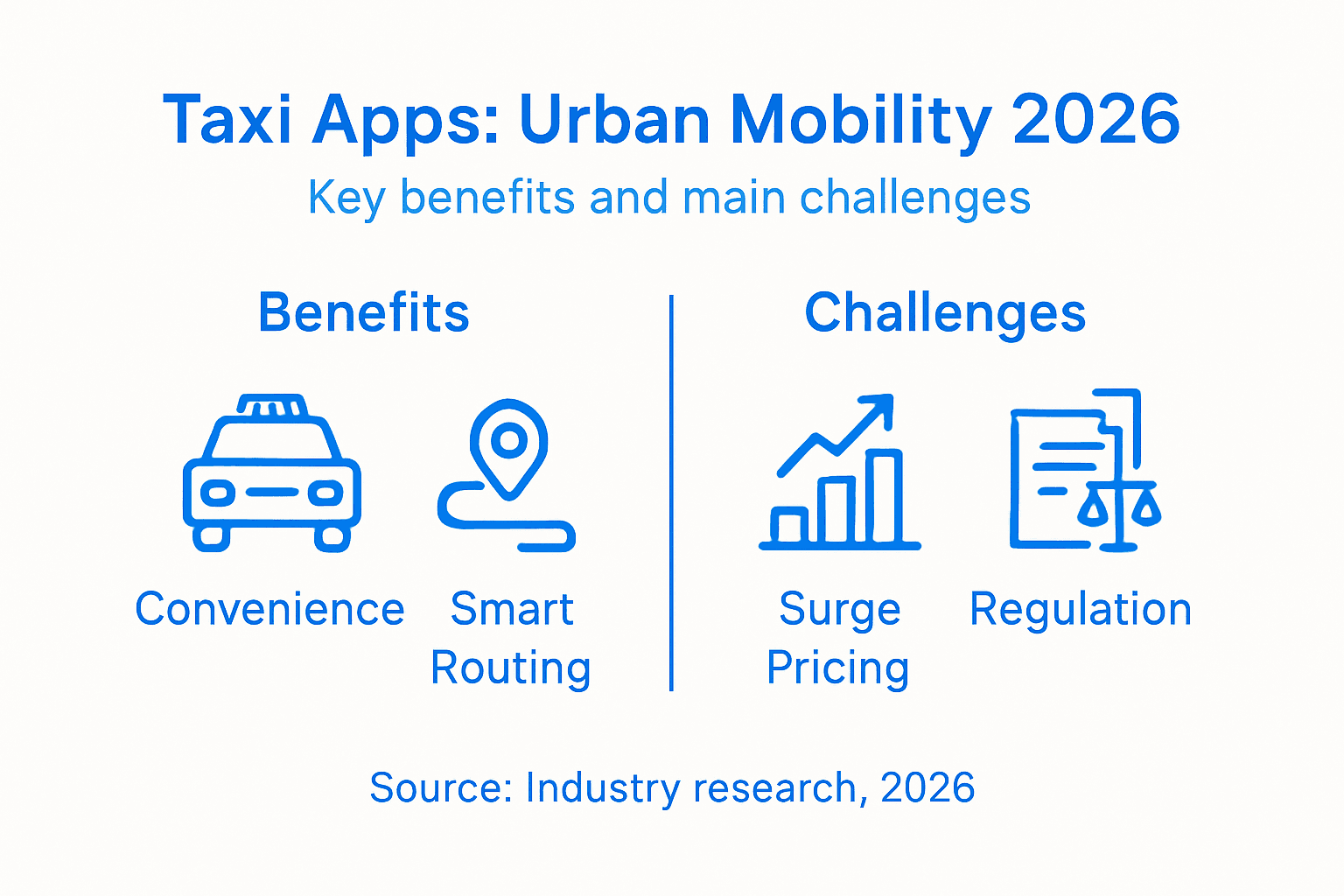
Cost comparisons are more complex than they initially appear. Taxi apps frequently advertise lower fares, and during standard operating hours, they often deliver on this promise through efficient matching and reduced driver idle time. However, surge pricing can rapidly eliminate this advantage. Comparing options like car rental versus traditional taxi services reveals that each transport method serves different journey profiles effectively. A traditional taxi’s meter rate may seem higher until surge pricing multiplies an app fare by three or four times during peak hours. Traditional taxis offer price predictability, as most operate on regulated meter rates that don’t fluctuate with demand. For regular commuters, the transparency and consistency of traditional services can actually prove more economical than apps offering cheap introductory rates that increase once you’ve become dependent. For occasional travellers, apps provide better value on standard journeys. Both services have legitimate advantages. Traditional taxis offer reliability, human judgment, accessibility for elderly or less tech-savvy passengers, and consistent nighttime availability in Edinburgh’s established taxi zones. Taxi apps offer convenience, fare transparency, real-time tracking, and often lower daytime prices. The most sensible approach isn’t choosing one or the other exclusively but using each when it genuinely suits your specific journey circumstances.
Professional advice For regular Edinburgh journeys, maintain relationships with both a trusted traditional taxi firm and a taxi app, then select based on time of day, your location, and current app pricing, rather than assuming either option is always superior.
Discover Reliable and Intelligent Taxi Solutions with Capital Cars Scotland
Navigating the evolving landscape of taxi apps and urban mobility in Edinburgh can be challenging. The article highlights issues like surge pricing, the importance of driver safety, and choosing between ride-hailing and traditional licensed taxi services. If you are looking for a trustworthy service that combines the benefits of modern booking technology with professional standards, Capital Cars Scotland offers a seamless solution. Our focus on reliable, safe, and customer-friendly private hire services directly addresses concerns about transparency, consistent pricing, and driver accountability raised in the article. Experience the convenience of booking your ride via multiple channels and a fleet tailored to your needs, including airport transfers and group travel options.

Take control of your transport choices today by visiting Capital Cars Scotland, where innovation meets professionalism. Explore insights and customer tips in our Uncategorised Archives – Capital Cars to enhance your journey experience. For your next trip in Edinburgh, trust a service that understands both the complexities of taxi apps and the value of traditional taxi standards. Book now and enjoy peace of mind with every ride.
Frequently Asked Questions
What are taxi apps and how do they work?
Taxi apps are digital platforms that connect passengers with drivers via smartphones. They utilise GPS technology and real-time data to match users with the most suitable drivers based on location, traffic conditions, and preferences, making the booking process more efficient and transparent.
What types of taxi apps are there?
There are two main types of taxi apps: ride-hailing apps, which connect users with independent drivers operating through Transportation Network Companies, and e-hailing apps, which digitise traditional licensed taxi services. Integrated marketplace models are also emerging, combining aspects of both.
How do taxi apps enhance the rider experience?
Modern taxi apps improve rider experience through features like intelligent rider-driver matching, dynamic pricing, personalised suggestions, and integrated safety measures. These innovations aim to provide shorter wait times, improved journey satisfaction, and greater overall safety.
What should I consider when choosing between a taxi app and traditional transport?
When choosing between a taxi app and traditional transport, consider factors like pricing, availability, and the type of service you prefer. Taxi apps generally offer convenience and fare transparency, while traditional taxis provide immediate service and familiarity for passengers less comfortable with technology.