
Every journey across Edinburgh should begin and end with peace of mind, whether you are heading home from the city centre or rushing to Edinburgh Airport. Residents and visitors alike count on taxi services that put customer welfare first, blending flexibility with strict safety standards set by local authorities. This guide highlights the key principles of a safe taxi service and explains the rules, features, and choices that help protect every passenger on the road.
Table of Contents
- Defining Safe Taxi Service And Key Principles
- Types Of Taxi Services In Edinburgh Explained
- Safety Features And Licensing Standards
- Driver Vetting, Training And Responsibilities
- Passenger Rights And Legal Safeguards
- Common Risks, Misconceptions And How To Avoid Them
Key Takeaways
| Point | Details |
|---|---|
| Safety is a Shared Responsibility | Safety in taxi services involves multiple stakeholders working together to minimise risks and enhance passenger protection. |
| Rigorous Driver Vetting and Training | Comprehensive background checks and ongoing training ensure that only qualified drivers operate taxis, promoting high standards of safety and professionalism. |
| Importance of Regulatory Compliance | Adhering to local transportation laws and safety standards is essential for maintaining operational integrity and ensuring passenger safety. |
| Proactive Risk Management | Passengers should remain vigilant and employ strategies such as cashless payments and sharing journey details to mitigate potential risks during travel. |
Defining Safe Taxi Service and Key Principles
Taxi services represent a critical component of urban transportation, offering passengers convenient and flexible travel options. Safe system principles recognise that while human error is inevitable, transportation systems must be designed to minimise potential risks and protect passenger welfare.
A safe taxi service fundamentally comprises several essential components that work together to ensure passenger protection:
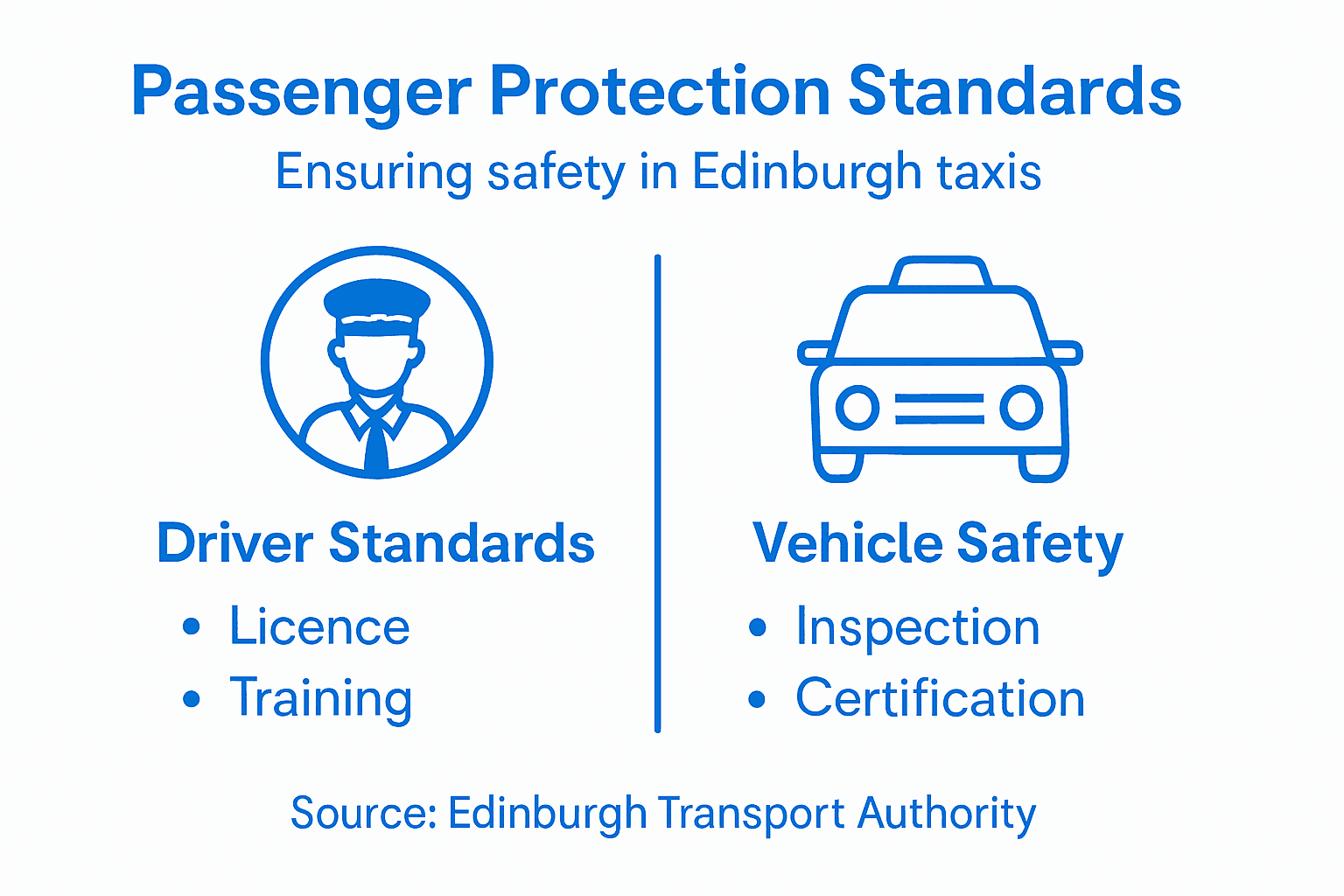
- Driver Qualifications: Background-checked and professionally trained drivers
- Vehicle Safety Standards: Regular maintenance and inspection protocols
- Regulatory Compliance: Adherence to local transportation laws
- Passenger Protection Mechanisms: Clear safety procedures and communication channels
- Technology Integration: GPS tracking and digital monitoring systems
Understanding these principles requires acknowledging that safety is a shared responsibility among multiple stakeholders. Public transport regulations emphasise that taxi services must balance accessibility, reliability, and passenger protection through comprehensive frameworks.
Effective taxi safety involves proactive risk management, which means creating systems that anticipate potential challenges rather than merely reacting to incidents. This approach requires continuous improvement, regular driver training, and maintaining rigorous vehicle maintenance standards.
Pro tip: Always verify a taxi service’s safety credentials by checking their licensing, reading customer reviews, and confirming their commitment to passenger protection standards.
Types of Taxi Services in Edinburgh Explained
Edinburgh’s urban transportation landscape offers diverse taxi service options that cater to different passenger needs and preferences. Understanding these variations is crucial for residents and visitors seeking efficient and reliable transportation.
The primary taxi service types in Edinburgh include:
- Hackney Carriages: Traditional street-hail taxis licensed to pick up passengers directly from the roadside
- Private Hire Vehicles: Pre-booked transportation services that cannot be hailed spontaneously
- Wheelchair Accessible Vehicles: Specialised taxis designed to accommodate passengers with mobility challenges
- Executive/Chauffeur Services: Premium transportation offering higher-end vehicles and personalised experiences
Regulatory Framework: Edinburgh’s transportation regulations ensure that each taxi service type meets stringent safety and operational standards. This comprehensive approach guarantees passenger protection across different service categories.
Private hire vehicles require advance booking through licensed operators, distinguishing them from hackney carriages which can be hailed directly on the street. Each service type has specific licensing requirements, vehicle specifications, and operational protocols designed to maintain high-quality transportation standards.
To better understand the differences between Edinburgh’s taxi service types, view this comparison:
| Taxi Type | Booking Method | Accessibility Features | Typical Use Case |
|---|---|---|---|
| Hackney Carriage | Street hail or rank | Some wheelchair accessible | Immediate journeys or city centre travel |
| Private Hire Vehicle | Advance booking required | Varies, fewer accessible vehicles | Pre-arranged airport or group trips |
| Wheelchair Accessible Vehicle | Both pre-booked & hailed | Specialist ramps and interiors | Transport for mobility-impaired passengers |
| Executive/Chauffeur Service | Prior booking only | Usually less accessible, premium comfort | Business, luxury, or special events |
Pro tip: Always confirm a taxi service’s specific licensing and booking requirements before travel to ensure a smooth and compliant transportation experience.
Safety Features and Licensing Standards
Edinburgh’s taxi services are governed by rigorous safety protocols and licensing standards designed to protect both passengers and drivers. These comprehensive regulatory frameworks ensure that every taxi operating in the city meets stringent safety requirements before being permitted to transport passengers.
Key safety features and licensing requirements include:
- Vehicle Inspections: Mandatory annual safety checks to verify mechanical integrity
- Driver Background Checks: Thorough screening of criminal and driving records
- Insurance Requirements: Comprehensive coverage for passenger protection
- Digital Safety Technologies:
- GPS tracking systems
- In-vehicle security cameras
- Emergency communication devices
Regulatory Oversight: Taxi safety standards are systematically enforced through regular compliance reviews and unannounced vehicle inspections. These measures ensure continuous adherence to safety protocols and maintain high-quality transportation services.
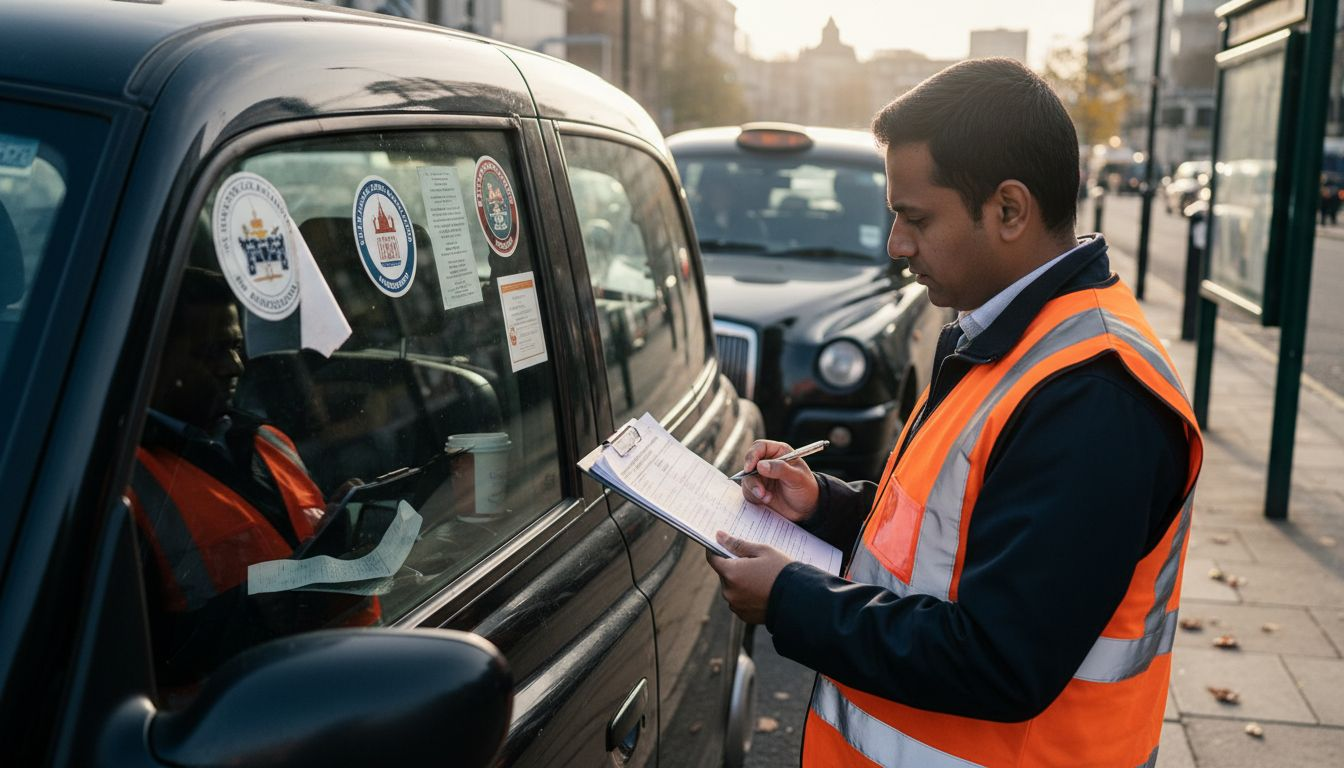
Licensing standards go beyond simple documentation, requiring drivers to demonstrate professional competence, maintain clean driving records, and participate in ongoing safety training programmes. The comprehensive approach creates a multilayered system of passenger protection that addresses potential risks proactively.
Pro tip: Always request to see a driver’s official licensing credentials and verify the taxi’s safety certification before commencing your journey.
Driver Vetting, Training and Responsibilities
Edinburgh’s taxi services implement comprehensive driver vetting protocols that ensure only the most qualified professionals operate passenger vehicles. These rigorous screening processes protect both passengers and the broader transportation ecosystem by maintaining exceptional professional standards.
The driver qualification process encompasses several critical components:
- Background Checks:
- Criminal record verification
- Driving history assessment
- Professional reference screening
- Medical Requirements:
- Physical fitness examinations
- Vision and hearing tests
- Mental health screenings
- Professional Training:
- Defensive driving techniques
- Customer service skills
- Emergency response protocols
Ongoing Professional Development: Passenger assistance training ensures drivers continuously enhance their skills, focusing on safety, sensitivity, and professional conduct. This commitment to continuous learning distinguishes Edinburgh’s taxi services by prioritising passenger experience and safety.
Drivers bear significant responsibilities beyond merely transporting passengers. They must maintain vehicle cleanliness, follow traffic regulations, provide accurate navigation, and demonstrate professional demeanour throughout each journey. The comprehensive training programmes equip drivers with skills to handle diverse passenger needs and potential challenging situations.
Pro tip: Request the driver’s professional credentials and observe their professionalism as an additional layer of personal safety assessment.
Passenger Rights and Legal Safeguards
Edinburgh’s taxi services operate under comprehensive legal frameworks designed to protect passengers’ fundamental rights and ensure their safety and dignity. Passenger protection standards establish clear guidelines for fair treatment, non-discrimination, and recourse in various transportation scenarios.
Passengers are entitled to several critical legal protections:
- Safety Rights:
- Protection from unsafe driving practices
- Right to report misconduct
- Expectation of professional service
- Accessibility Rights:
- Accommodation for passengers with disabilities
- Equal service regardless of personal characteristics
- Reasonable adjustments for individual needs
- Complaint Mechanisms:
- Formal complaint procedures
- Independent review processes
- Transparent resolution pathways
Legal Framework: Licensing reforms continually strengthen passenger safeguards by closing regulatory loopholes and enhancing enforcement mechanisms. These evolving standards ensure that taxi services maintain the highest levels of accountability and passenger protection.
Passengers have the right to expect transparent pricing, clear communication about journey details, and a safe, respectful transportation experience. The legal safeguards extend beyond simple transportation, encompassing personal dignity, privacy, and protection from potential misconduct.
Pro tip: Always document your journey details and maintain open communication with the taxi service to protect your legal rights.
Common Risks, Misconceptions and How to Avoid Them
Taxi services involve complex safety dynamics that require passengers to understand potential risks and adopt proactive protective strategies. Safety challenges in transportation highlight the importance of awareness and strategic risk mitigation.
Common misconceptions and associated risks include:
- Payment-Related Risks:
- Carrying large amounts of cash
- Vulnerable moments during financial transactions
- Potential for theft or robbery
- Personal Safety Misconceptions:
- Assuming all drivers are equally trustworthy
- Underestimating situational awareness importance
- Overconfidence in technological safety features
- Technology-Related Risks:
- Overreliance on automated systems
- Misunderstanding technological limitations
- False sense of security from digital tracking
Risk Mitigation Strategies: Passenger protection protocols recommend comprehensive approaches to minimise potential safety threats. These include maintaining situational awareness, using cashless payment methods, sharing journey details with trusted contacts, and choosing reputable taxi services with verified safety records.
Effective risk management involves understanding that safety is a collaborative process between passengers, drivers, and transportation services. Passengers must remain vigilant, communicate clearly, and make informed choices that prioritise their personal security.
Here’s a summary of common taxi service safety risks and recommended prevention measures:
| Risk Area | Typical Scenario | Prevention Strategy |
|---|---|---|
| Payment Security | Paying by cash in taxi | Use card or app payment |
| Personal Safety | Late-night travel alone | Share journey details with contacts |
| Overreliance on Tech | Blind trust in GPS tracking | Maintain situational awareness |
| Driver Trustworthiness | New or unknown driver | Confirm driver’s licensing and credentials |
Pro tip: Always trust your instincts and do not hesitate to exit a taxi if you feel uncomfortable or sense potential danger.
Experience True Passenger Protection with Capital Cars Scotland
When it comes to taxi safety, knowing the standards around driver vetting, vehicle inspections, and passenger rights is vital. This article highlights key concerns like driver qualifications, safety features, and legal safeguards to keep you secure during every journey. At Capital Cars Scotland, we understand these challenges and go beyond minimum requirements by offering professionally trained drivers, meticulously maintained vehicles, and transparent service. Whether you need a private hire taxi or an executive car, our fleet is designed to give you peace of mind.

Discover how easy and safe travelling in Edinburgh can be. Visit our Uncategorised Archives – Capital Cars for helpful tips and insights, or head directly to our main website to book your next ride. Choose Capital Cars Scotland today and secure a reliable, safe, and customer-focused taxi experience. Act now to benefit from our special offers and seamless booking options via phone, email, or online portal.
Frequently Asked Questions
What are the key components of a safe taxi service?
A safe taxi service encompasses driver qualifications, vehicle safety standards, regulatory compliance, passenger protection mechanisms, and technology integration such as GPS tracking.
How are taxi drivers qualified and trained?
Taxi drivers are subject to rigorous background checks, medical requirements, and professional training programmes that focus on defensive driving, customer service, and emergency response.
What are passengers’ rights when using a taxi service?
Passengers have rights to safety, accessibility, and complaint mechanisms, including the right to report misconduct and expect accommodation for disabilities.
What common risks should passengers be aware of when using taxis?
Common risks include payment-related risks, personal safety misconceptions, and overreliance on technology. Passengers should maintain situational awareness and consider using cashless payment methods.